A little departure from the usual marketing stuff. Part one of two.
The Short Version
I drove a Tesla from the UK to Italy and back. Nothing catastrophic happened. This surprised everyone, including me.
The Longer Version
When I chose the Tesla, it wasn’t because I’m particularly green or because I enjoy explaining to petrol station attendants that no, I don’t need a fill-up, thanks. I chose it because of the network. The Supercharger network, that is – not my professional network, which remains disappointingly small and consists mainly of people who owe me lunch.
I wanted to avoid those headline-grabbing disasters you read about: the Great Charger Hunt of 2023, the Seventeen Apps You Need Just to Add Electricity to Your Car saga, the inevitable moment when you’re stranded somewhere explaining to your family that yes, this seemed like a good idea at the time.
Tesla was the easy choice. Like ordering the same dish at a restaurant because you know it won’t disappoint, even if it’s not particularly adventurous. I’d been up to Manchester, Nottingham, even Blackpool (don’t ask) – all from the South Coast – with minimal drama. Just plug in your destination and the car becomes this slightly smug navigator, mapping out your route with charging stops like breadcrumbs in a fairy tale. Except the breadcrumbs are electricity and the forest is the motorway network.
I’d only had two issues worth mentioning:
- The time the fast charging decided to take a sabbatical. Fortunately, I was at the Tesla dealership in Winchester, where they sorted it with the kind of efficiency that makes you suspicious.
- That moment when I got down to 2% battery – the electric equivalent of driving on automotive fumes – after being re-routed to avoid traffic. Nothing focuses the mind quite like range anxiety combined with British motorway services.
But that was the UK. Familiar territory. Now I was contemplating taking this gleaming piece of technological optimism on a ferry, into France, then Switzerland, then Italy. And back again. Like some sort of electric Grand Tour, but with more charging cables and less Byron.
We’d seen that the French motorway network was reasonably well-equipped a few years back. But Italy? Italy, where the approach to infrastructure sometimes feels… creative?
Cue a fair bit of Googling and obsessive route-mapping to reassure myself – and more importantly, my family – that I hadn’t completely lost my marbles. It looked doable. Probably. Maybe. To add to the jeopardy, we were starting from Poole. My ferry experience had largely been confined to the Isle of Wight ferry and the Sandbanks chain ferry – hardly preparation for proper seafaring with a Tesla in tow.
Pre-Trip Anxiety Limited to Alarm Settings
My biggest pre-departure headache wasn’t route planning or charging logistics. It was working out how to turn off the car alarm on a ferry. Much Googling ensued, leading down various rabbit holes of forums populated by people who clearly have more time and fewer social obligations than I do. Eventually, the solution emerged: just turn off the Sentry system. Not the seventeen different settings that every forum post mentioned, not some arcane sequence of button presses – just turn off Sentry. Sometimes the simple answer is the right answer. Revolutionary concept.
Day 1: Poole to Dijon
Approx 420 miles / 680km Cherbourg to Dijon.
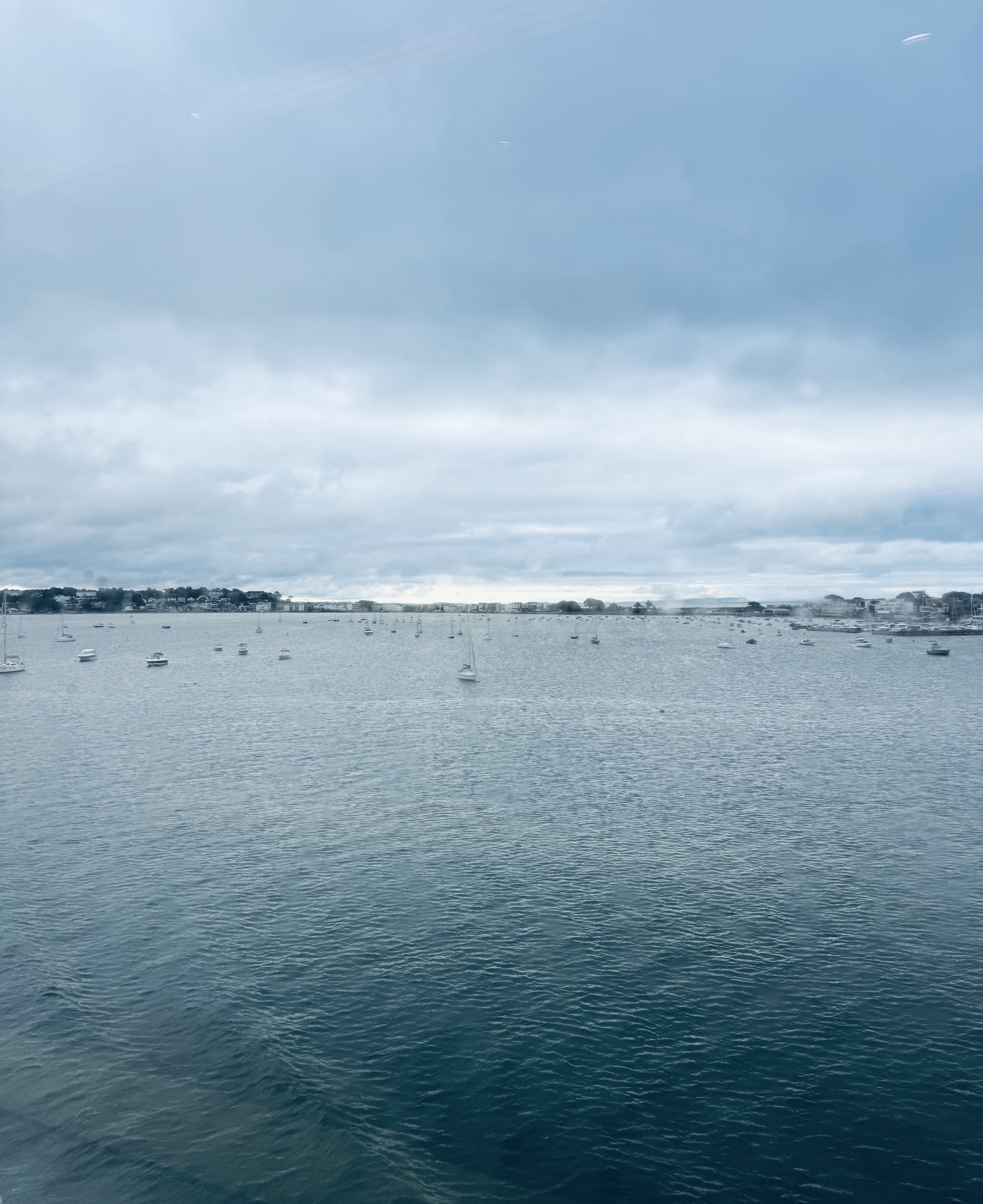
Getting on board with the Tesla was surprisingly simple. You get an EV sticker to slap on your windscreen – not sure why, perhaps so they can identify you as someone who makes interesting life choices. (It flew off quite soon on the French motorways). What I hadn’t anticipated was how low the ‘roof’ would be in the ferry’s car park. The Tesla’s boot lid wants to open with the enthusiasm of someone who’s just discovered coffee, and I quickly learned to limit its ambitions. It gave me distinctly claustrophobic vibes, like being trapped in a very expensive metal sandwich.
The 4+ hours on the ferry were actually rather pleasant. Relaxing, even. There’s something about being temporarily disconnected from the world that appeals to the part of your brain that’s constantly checking emails.

Having programmed our final destination – north of Venice – and our only planned overnight stop in Dijon, we put our faith in whatever route the Tesla wanted to inflict upon us. A recent software upgrade (I confess to loving this feature – you get brand new functionality delivered like digital Christmas presents) allows you to choose your journey type: fastest or best amenities. We chose best amenities. Obviously. Because life’s too short for motorway services that look like they were designed by someone who’s never experienced joy.
One thing you learn with an EV is that charging stops aren’t dead time. They’re coffee opportunities, bio breaks (as some clients used to diplomatically call them), moments to remember you’re human rather than just a delivery system for getting from A to B.
The route planner promised 2.5 to 3 hours between charges – about the right interval for when your body starts sending subtle hints that perhaps you should engage with the physical world rather than just hurtle through it at 80mph.
I should mention my co-pilot: my 16-year-old son. Just the two of us on this particular adventure, meeting the rest of the family at our destination. Beyond the obvious family bonding opportunities, he had critical responsibilities: toll booth intervention, satellite navigation backup, general morale maintenance, and – perhaps most importantly – playlist curation. While the Tesla consumed miles with mechanical efficiency, you could tell when the human teenager needed refueling. The signs were unmistakable.
The A13 Adventure: When Technology Meets French Bureaucracy
Setting out from Cherbourg on the A13, we faced our first proper challenge: would our Bip&Go toll pass actually work? What our extensive research hadn’t uncovered was that the A13 was undergoing a ‘free flow’ upgrade. Most toll booths were being systematically destroyed, replaced by an optimistic profusion of signage about paying fees on the Sanef website. Our Bip&Go device beeped encouragingly as we sailed through, but we weren’t entirely convinced we weren’t about to become international fugitives.
We decided to deploy the time-honored “ignorant English tourist” strategy until signs appeared in English too. Later checking the app confirmed we had indeed been charged, so worst case we could demonstrate good faith. Eventually, this will make driving much quicker. Currently, it just adds a layer of uncertainty and roadwork congestion to the proceedings.
Minor technological frustration: the Tesla automatically adjusts the headlights for driving on the right. Brilliant. But you have to manually switch from MPH to KMH. Less brilliant. My BMW did this automatically years ago. Come on, Tesla – if you’re going to revolutionise transportation, at least match the Germans for obsessive attention to obvious details.
France, it turns out, is considerably larger than your mental map suggests. Even that initial stretch from Cherbourg takes two hours before you feel like you’ve properly arrived in France. It’s a war of automotive attrition without much scenery to distract you from the fact that you’re essentially driving through a very long, very French corridor.
Charge #1 – Honfleur: The Promise of Retail Therapy
Stats: 2.5 hours driving | 125 miles / 200km | 39.83 kWh delivered | €13.54 | 33 minutes charging
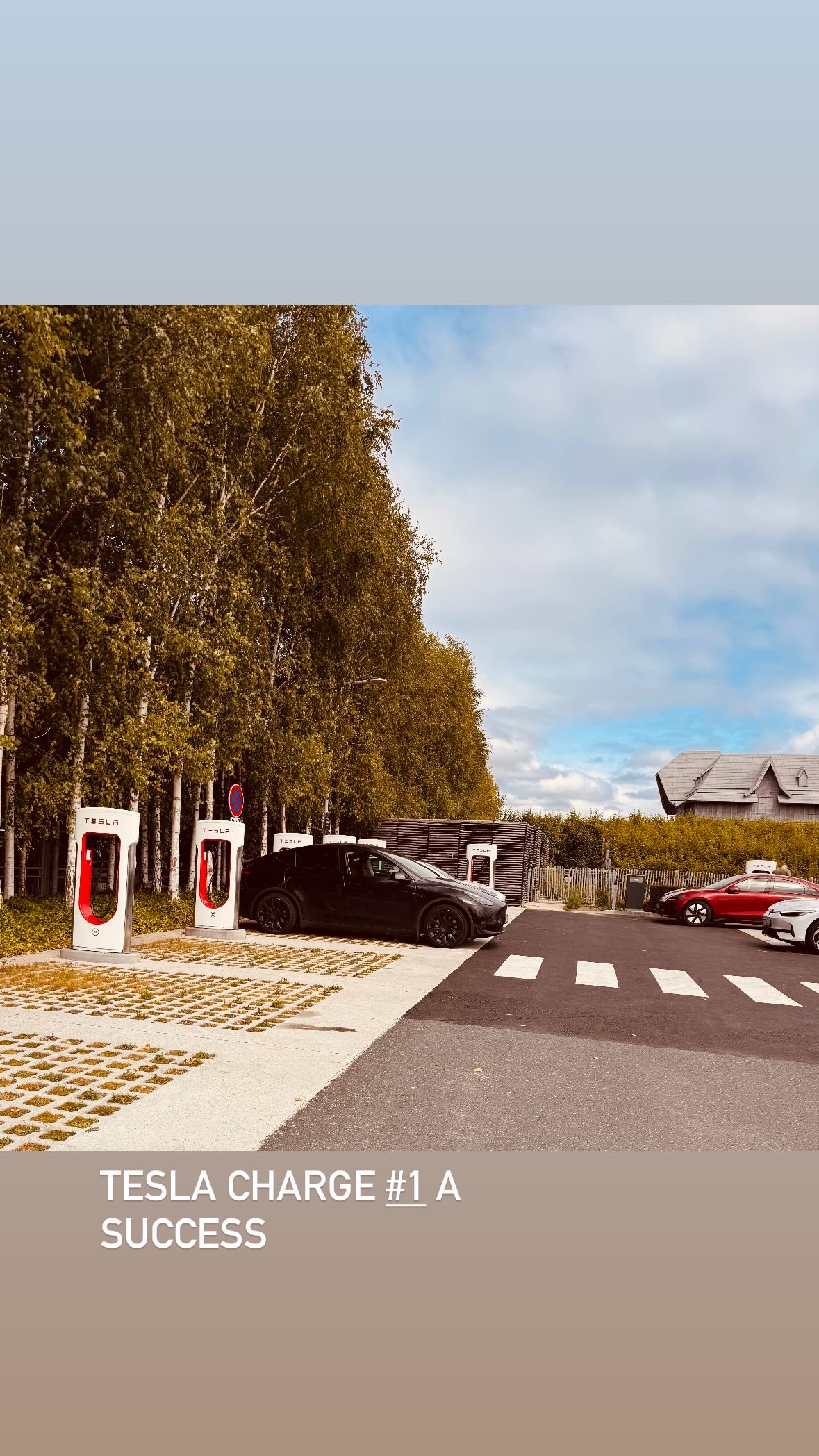
[Note: driving distance and time approx. I still don’t really know what kWh is as I go on battery % but keeping in for those who do know/may want that kind of info.]
First example of “best amenities” in action – a charming outlet shopping center. The Tesla chargers were easy to locate, and there was actual civilization nearby. A coffee later, and we were philosophically prepared for the next leg.
We’d already spotted that the fastest route would take us around the outskirts of Paris. At this point, Paris traffic became our nemesis. Slow, slower, stationary. Stop, start, contemplate existence, start again, stop. Our next destination: somewhere near Versailles. Hoping for proximity to the Palace, we were actually headed to a Westfield Shopping Centre. Because apparently, even in France, all roads lead to retail.
Charge #2 – Versailles: A Masterclass in Hidden Infrastructure
Stats: 3.5 hours driving | 105 miles / 170 km | 34.27 kWh delivered | €11.65 | 29 minutes charging (actual charging stop Le Chesnay)
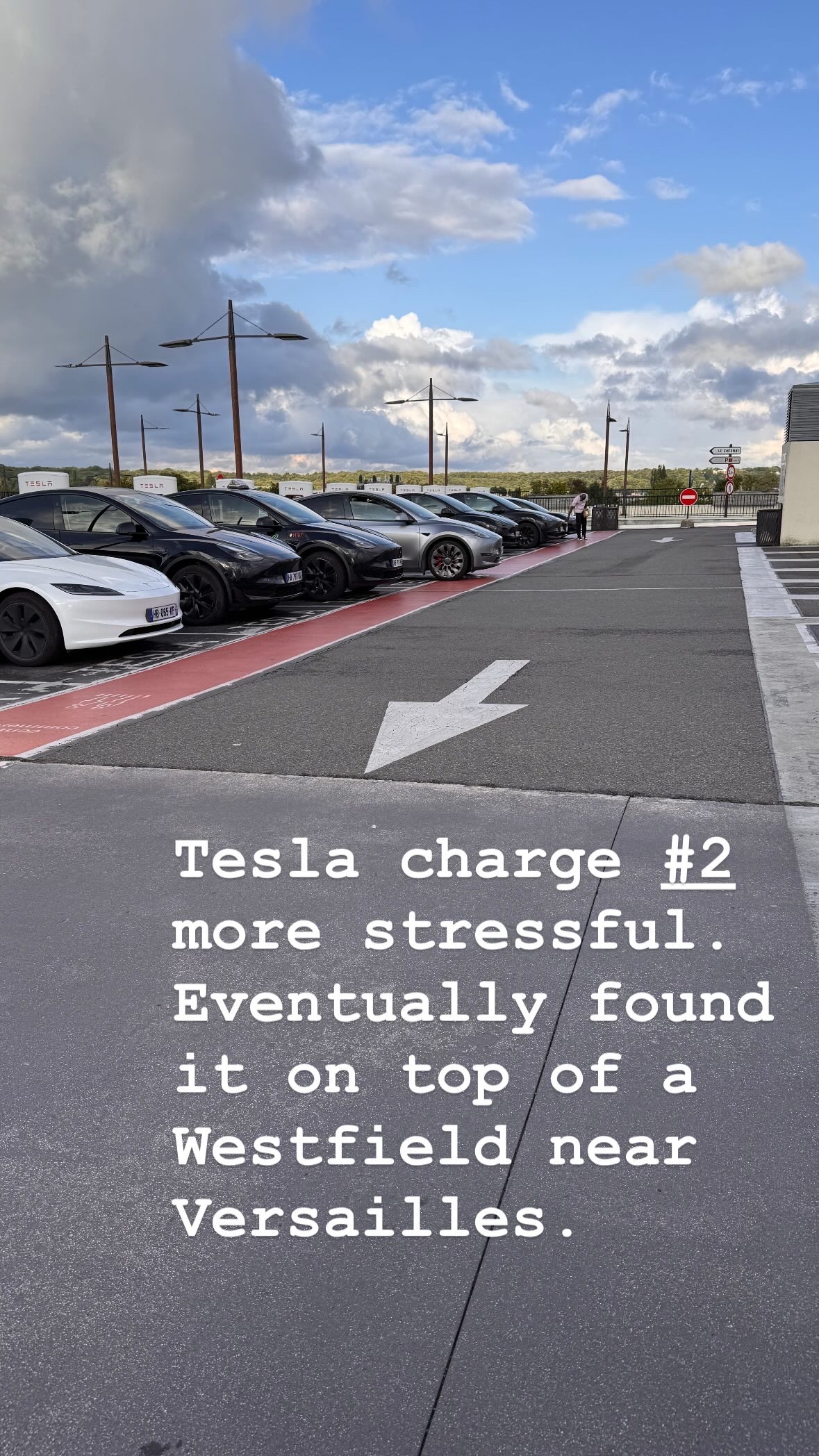
Down to about 15% battery and desperately needing human maintenance after the Paris traffic ordeal, the next twenty minutes achieved peak stress levels. This was as close to proper jeopardy as the entire holiday managed.
When you drive a Tesla regularly, you develop a sixth sense for charger locations – they’re often tucked away in places that make perfect sense to urban planners but remain mysteries to actual humans. Usually, following the navigation is straightforward. This was emphatically not one of those times.
The navigation initially directed us toward a blocked entrance. Multiple circuits of the area ensued. Eventually, we discovered we needed a separate lane to access the Westfield car park. Once inside: no chargers visible anywhere. Another lap. Then the charger status mysteriously updated to show “top floor” – information that definitely hadn’t been there before.
Right. How does one reach this mythical top floor? More guessing, more questionable signage (and I thought UK car park navigation was challenging), eventually ascending about four floors to the roof. Still no chargers. Then, peripherally, a lone Tesla emerging from what looked like a service ramp. Could that be it?
Up we went, and finally – the gleaming white beacons of electrical salvation appeared. Peak grumpiness achieved. Plug in, locate food, locate facilities, restore human functionality.
Despite being in a Westfield, it was after hours on Sunday. Only McDonald’s remained open. We’d made a pre-trip vow to avoid such establishments, but sometimes circumstances override principles. That quarter pounder became a genuinely welcome friend.
The French McDonald’s ordering system operates similarly to the UK version but with added French time concepts – which is to say, everything takes slightly longer for reasons that remain philosophically unclear. My agitation wasn’t helped by poor mobile signal, preventing confirmation that the car was actually charging. Recent software updates show live charging status on the phone app, which is tremendously helpful. Except when it isn’t.
We decided to eat in the car for peace of mind. The car was working perfectly; only the humans were experiencing technical difficulties.
At this point, we’d been overriding the pre-programmed 80% charge limit to go for full charges. Not because we needed 100% each time, but to prevent the car stopping while we weren’t present, and to bank any bonus range for extended driving segments. This strategy was immediately vindicated as we faced arriving at our hotel around 11pm rather than the civilized 8-9pm originally planned. My vision of a relaxing glass of red wine and steak was officially deceased.
Into what felt like the most claustrophobic tunnel in human history. Didn’t enjoy it. At all.
Foot down for the final push to Dijon. Dark, straight French roads, running 3+ hours behind schedule, opportunity to make up time. To my lasting shame, we got flashed by a speed camera. Fortunately, we were only marginally over 130kph rather than significantly over. French authorities don’t permit sat-nav systems to announce speed cameras – they also look distinctly different from UK versions. Still waiting to discover if that ticket materialises.
Charge #3 – Avallon: When Slow Charging Meets Exhaustion
Stats: 3 hours driving | 150m / 240km | 43.64 kWh delivered | €12.65 | 22 minutes charging
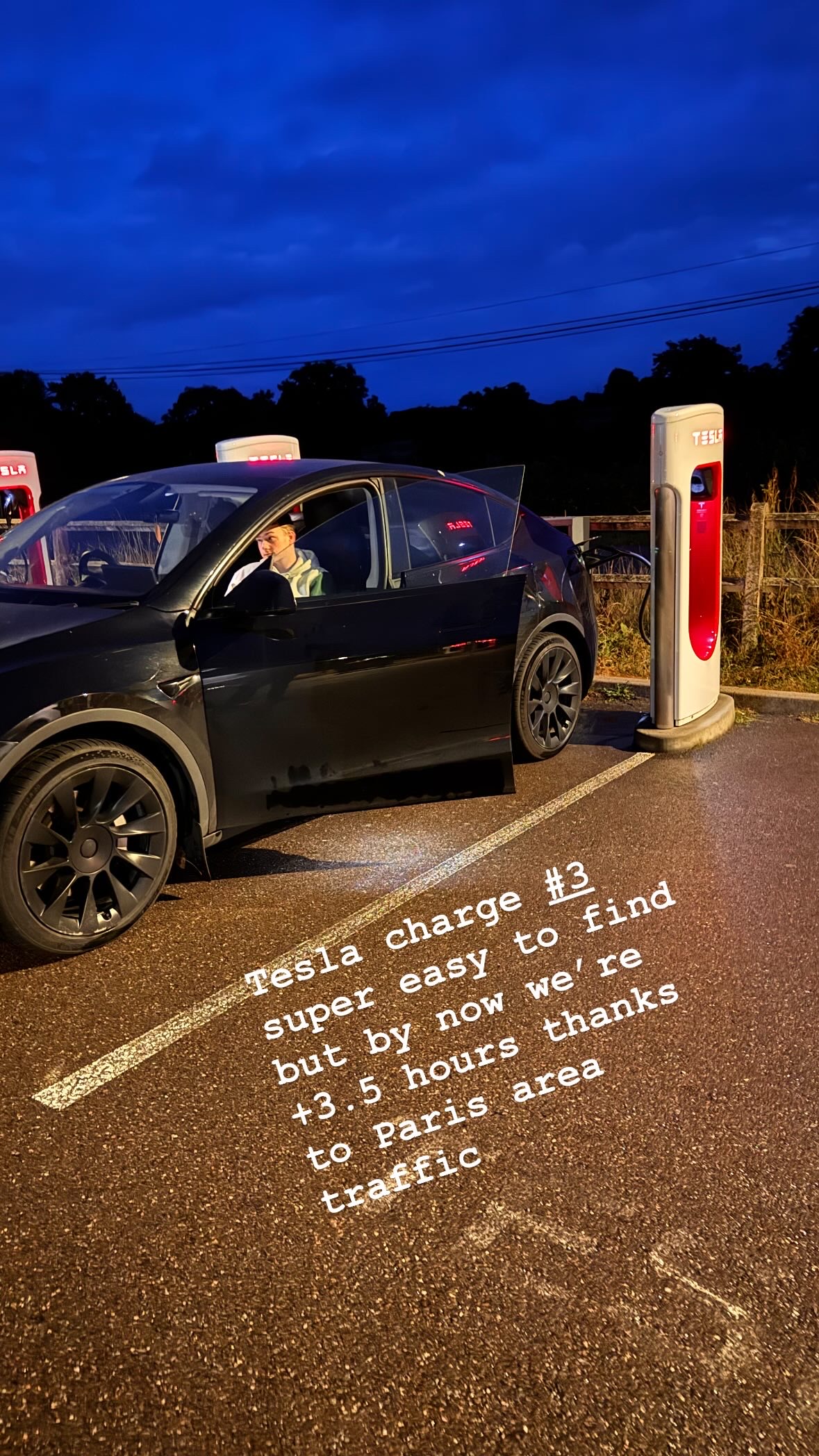
What you definitely don’t need with just over an hour’s driving remaining is the slowest charger encountered so far. Usually, charging speed doesn’t matter – you’re having coffee, stretching legs, pretending to be interested in service station retail opportunities. But when Paris has cost you three hours and tomorrow promises another full day of driving, you just want progress. Especially when it’s dark, you’re hungry again (McDonald’s never quite delivers lasting satisfaction), and there’s someone shouting enthusiastically into their phone while chain-smoking next to you.
This was a splash-and-dash stop to reach our hotel, where I knew proper charging awaited.
Another hour later, on Dijon’s outskirts, we spotted the glowing green beacon of the Holiday Inn. Sometimes hotels require careful observation to locate their modest signage. Not the Holiday Inn. It glowed like a divine intervention.
Plenty of parking spaces and a selection of Ionity and Tesla chargers literally next door. But that could wait until breakfast. Check-in, collapse.
Day 2: The Unsung Heroes of Road Trips
Having made the mistake of trying an HotelF1 hotel a couple of years ago – an experience my family references whenever accommodation standards are discussed – I’ve developed deep appreciation for the Holiday Inn’s consistent averageness. You know exactly what you’re getting: comfortable bed, decent shower, walls thicker than paper, toilets that work, minimal probability of midnight security incidents. What’s not to appreciate?
I moved the car about 50 meters and plugged it in so it could consume electricity while we consumed breakfast. This is one aspect of EV ownership I’ve grown to genuinely enjoy – it’s not dead time. The persistent argument is “charging takes too long.” It really doesn’t. If the charger is decent (and most are, particularly in France), and you’re stopping for biological necessities, caffeine acquisition, or basic sustenance, it’s rarely inconvenient. Most times we could have been done in under 20 minutes. We chose longer charging sessions to extend our driving range and because we weren’t interested in rushing. The plan: leave around 7am, arrive between 5-6pm. No stresso, more espresso.
The breakfast was adequately mediocre, but the Nespresso machine disguised as a proper barista setup provided entertainment. My son smuggled pastries out in napkins for emergency car snacks – demonstrating impressive strategic thinking.

Charge #4 – Longvic, Dijon: Preparing for Alpine Adventures
Stats: 1.5 hours from previous stop, approximately 6 hours sleep | 75 m / 120km | 57.43 kWh delivered | €17.23 | 1 hour 7 minutes charging (10% to 100%)
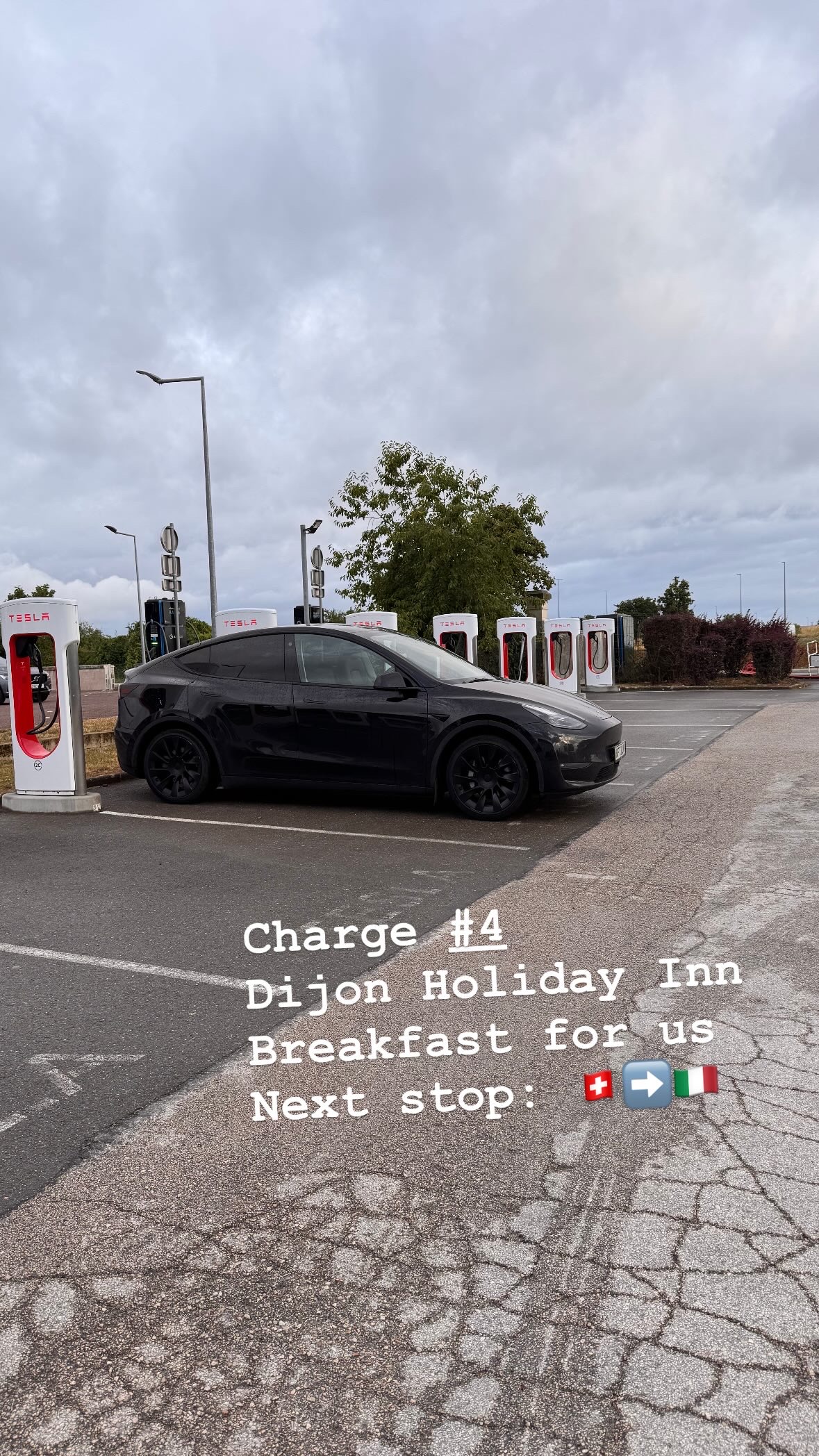
Setting out again, we faced a geographical mystery: which tunnel route would the Tesla select? Gotthard or St. Bernard in Switzerland or Mont Blanc through France?
This represents an area where Tesla could improve – the route wasn’t immediately clear. Since it wasn’t a charging stop, the system didn’t want to engage with our curiosity, requiring manual zooming to discover we’d be taking the St. Bernard tunnel. Another first.
Heading toward Switzerland, expecting more French motorway consumption, we were both confused when directed off the main route and up through what appeared to be a mountain pass. Fog descended, rain commenced, the climb continued upward. Eventually, we emerged on the other side and found ourselves essentially at Lake Geneva’s edge.
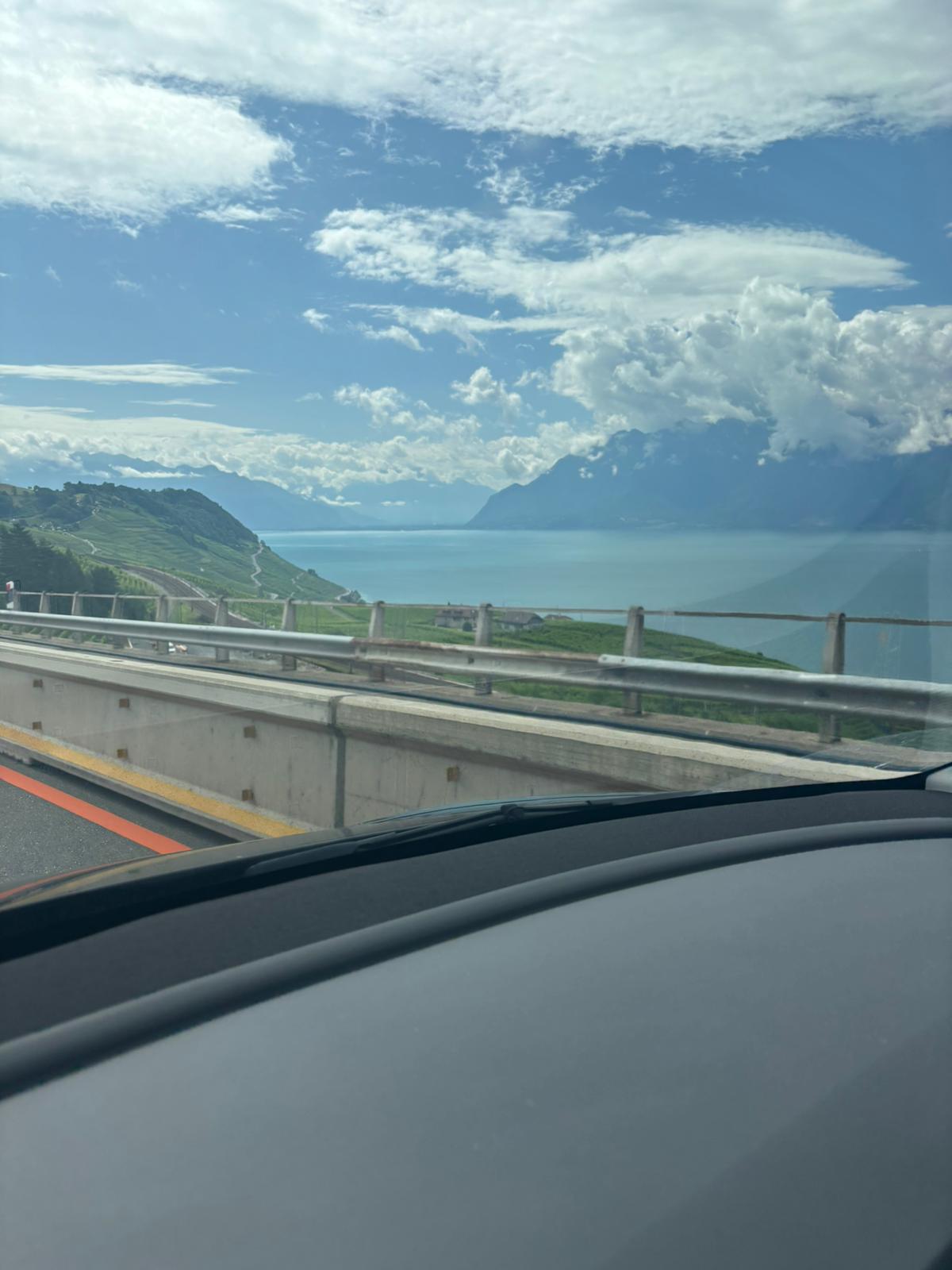
After the previous evening’s slightly heavy-footed driving, we adopted a much calmer approach. So relaxed, in fact, that the car wanted to extend our next charging destination. My son had checked the route and we were hungry, so we manually overrode the navigation back to the originally suggested charging stop rather than one 90 minutes further away. Did it ask permission for this change, or just assume? Can’t remember, but requiring positive confirmation rather than making assumptions would be a simple software improvement.
Charge #5 – Martigny, Switzerland: When Service Stations Become Destinations
Stats: 3.5 hours driving | 160 m / 260km | | 46.26 kWh delivered | 21.27 CHF | 45 minutes charging
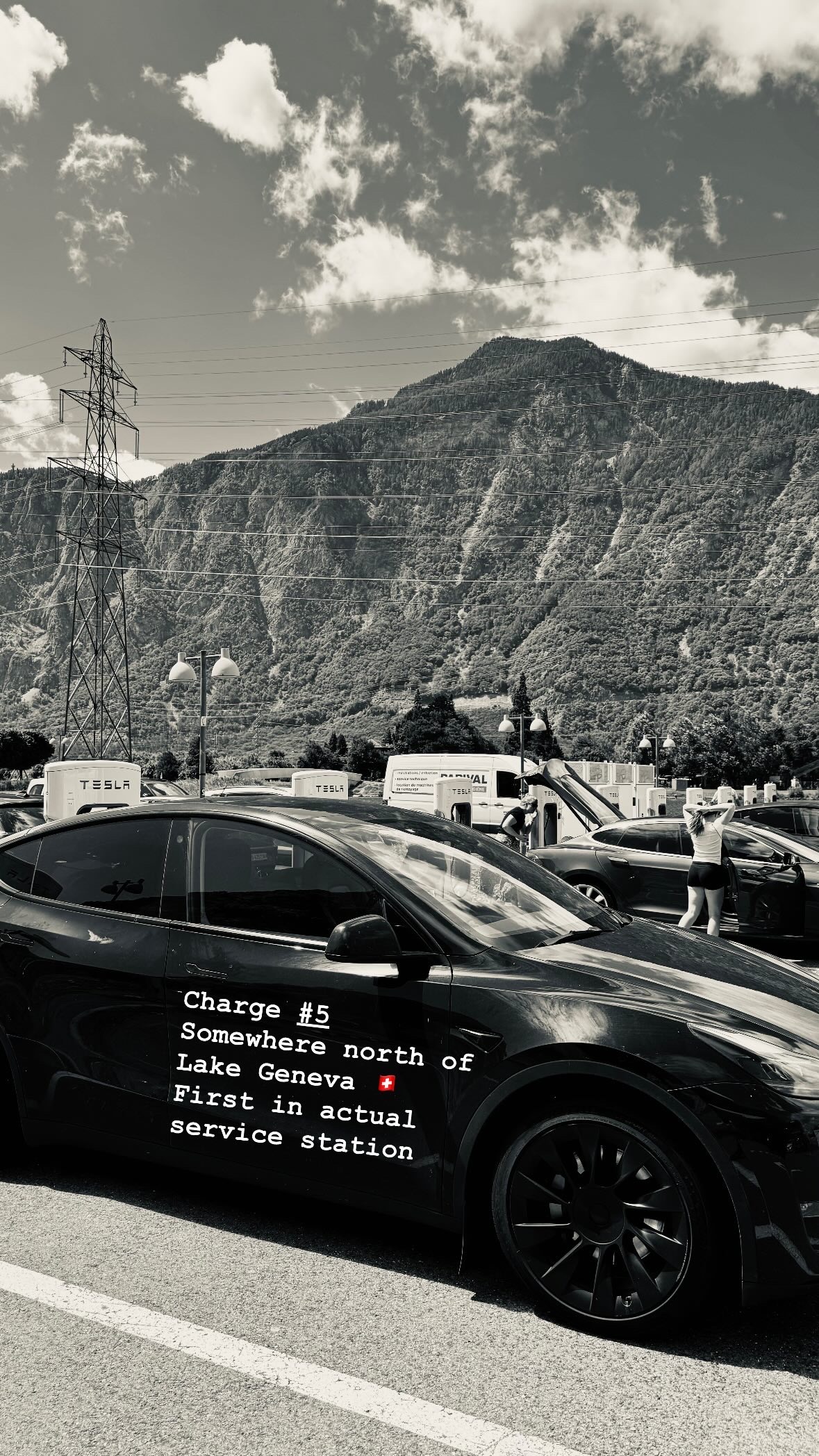
Our first charging stop at an actual service station rather than somewhere requiring detective work to locate. Why can’t UK service stations be like this? Mountains, lake, genuinely good food options for takeaway or restaurant-style self-service. Possibly a benefit of selecting “best amenities,” but I’d choose this over a Greggs on the M40 without hesitation.
I realise I should have maintained better contemporaneous notes. I’m convinced we stopped for lunch, but the timing suggests this was mid-morning? Memory becomes impressionistic when you’re focused on not driving into mountains.
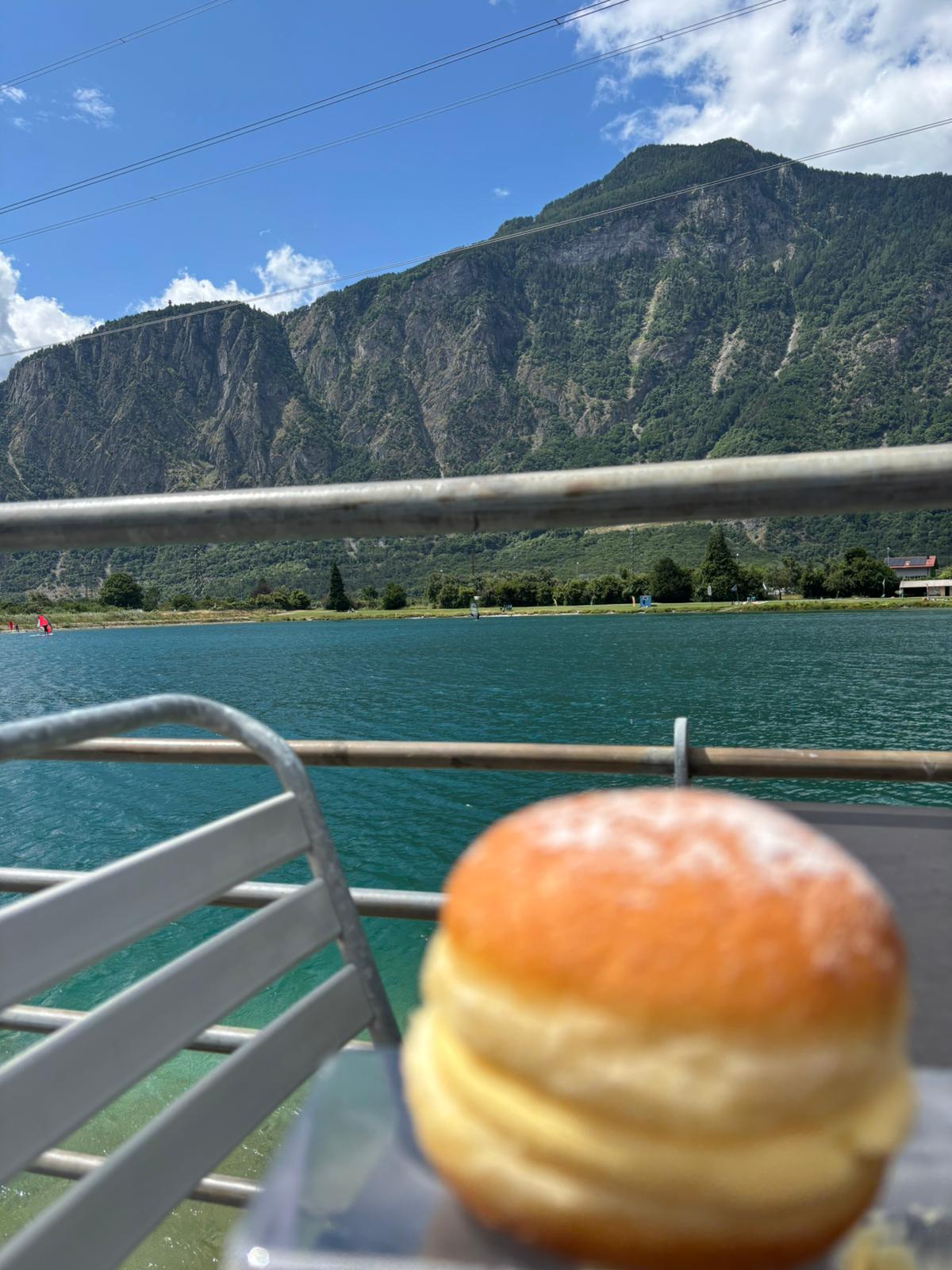
Onward to Italia.
Via the St. Bernard tunnel – which took considerable time to reach. Lots of single carriageway roads threading through the beautiful Swiss countryside. More pastoral fields than the dramatic mountain scenery we’d encountered approaching the Gotthard tunnel a few years previous. Plus a fair amount of roadworks. Interesting observation: they give cyclists separate traffic lights for a head start. Simple, effective, safer for everyone.
The tunnel itself felt quite dark and dingy compared to most European tunnels with their comprehensive lighting (maybe it’s just what I remember, the timelapse video below doesn’t quite support this memory). Didn’t seem particularly long, and you’re ejected quite quickly into a series of curves winding down toward Aosta. In another moment of travel déjà vu, this seemed to take as long as leaving Cherbourg – eventually hitting the Autostrada toward Milano.
Charge #6 – Telgate, Milano: The Promise of Italian Coffee
Stats: 4 hours driving | 190m / 310km |45.35 kWh delivered | €19.04 | 27 minutes charging

Italian coffee. Even at a roadside café, not even an Autogrill. Espresso. Absolute bliss.
The A4, less blissful. Every approach to Milan becomes stop-start traffic purgatory.
Another couple of hours ahead with one more splash-and-dash before our final destination. Everything becomes more familiar now – places you recognise, routes you remember, mental notes for future visits. The charger was located at the rather elegant-looking Move hotel north of Venice (about 30 minutes north). But where was the actual charger? Not where the navigation suggested. More circling, eventually developing that Tesla driver’s sixth sense for charger locations. Usually just “around” somewhere, rarely in the most obvious place.
Charge #7 – Mogliano, Veneto: The Final Push
Stats: 2 hours driving | 135 m / 220km | 27.35 kWh delivered | €11.50 | 29 minutes charging
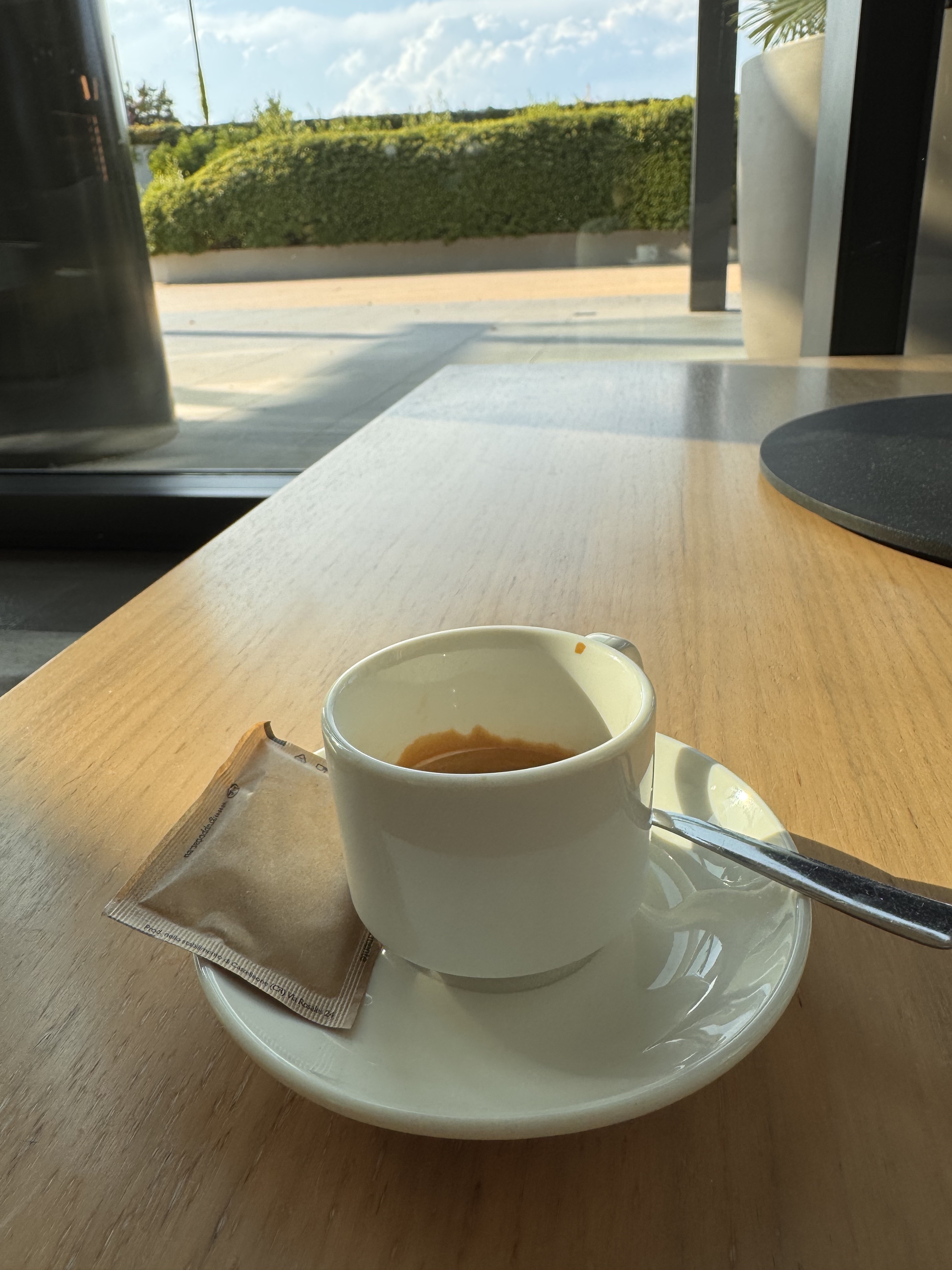
Wouldn’t normally have another espresso at this time, but why not? There are worse places to sit and decompress for 29 minutes while your car charges and you recover from A4 autostrada trauma.
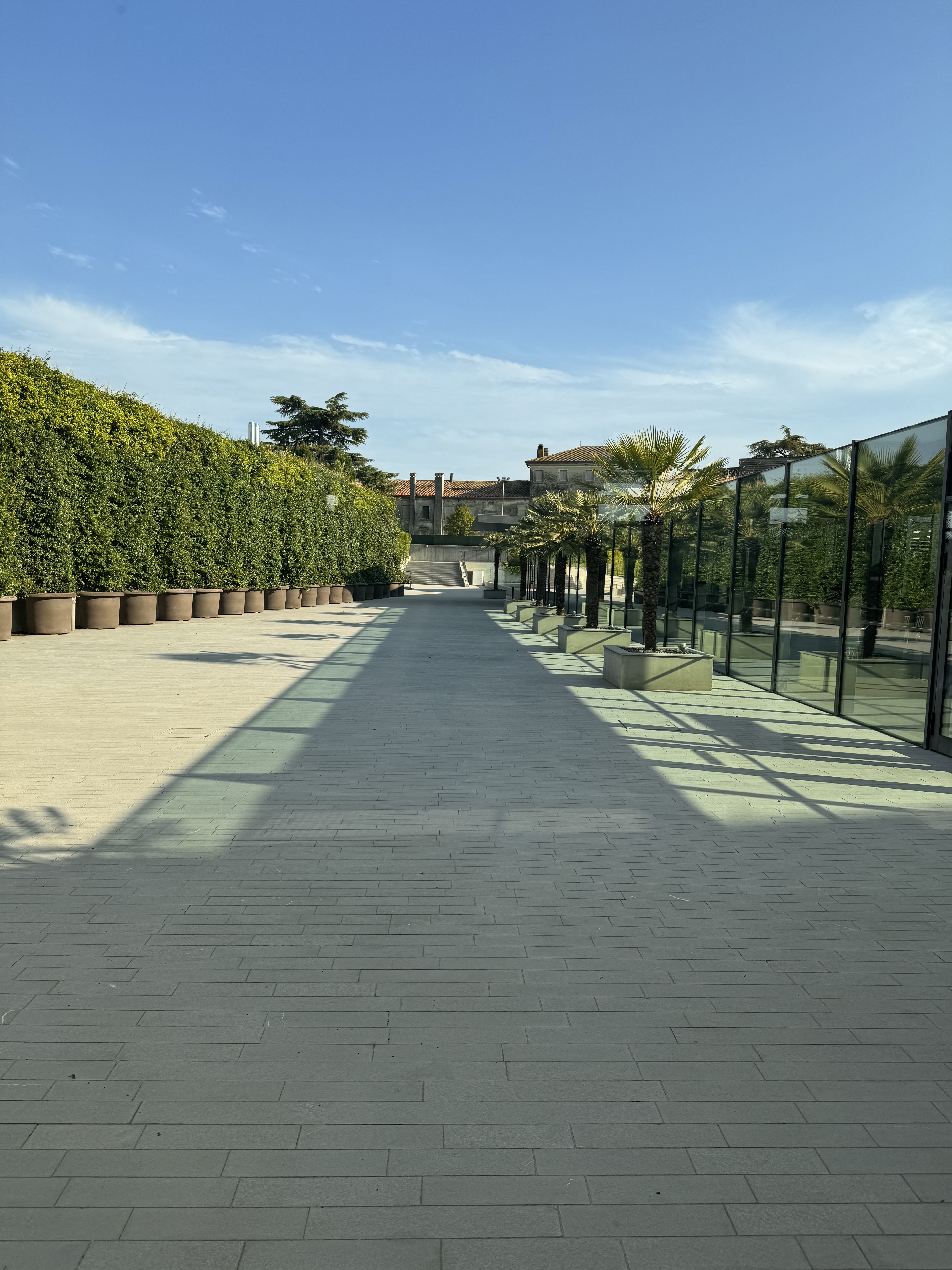
Twenty-nine minutes later, final departure. Enough charge for next-day exploration without immediately seeking the nearest charging point. Just under an hour up the A27, exiting at Vittorio Veneto, finding our way into the pre-Dolomites in the shadow of Mt. Pizzoc.
Arrived. We seem to remember it was sometime around 6pm.
Reflections on European Electric Wandering
The thing about taking an EV on a proper European road trip is that it’s simultaneously more complicated and simpler than you expect. More complicated because you have to think about charging infrastructure, timing, and the peculiar psychology of range anxiety. Simpler because modern charging networks are generally excellent, the car handles most of the thinking, and forced breaks every few hours turn out to be rather civilising.
Would I do it again? Absolutely. The charging stops became opportunities rather than inconveniences – chances to actually experience places rather than just hurtle past them. Plus, there’s something oddly satisfying about arriving at your destination having consumed nothing but electricity and questionable service station coffee.
The future of travel might just be a little more thoughtful, a little slower, and considerably more caffeinated. Which, when you think about it, doesn’t sound terrible at all.
Probably a lot more to say and things you may want to know. If so, just shout.
Check out part two (coming soon – link will update like magic here) on the return and a UK adventure to Edinburgh and back.
We used the excellent Smudged Postcard blog in our research on this trip and our previous trip. You should too.
And if you’re interested in buying a Tesla, Get 650 free Supercharging miles or £500 off with my referral link.



One thought on “Tesla Road Trip: UK to Italy and back.”