You find me in Italy. If you haven’t read Part One yet, do yourself a favour and start there. It sets the scene beautifully (in my head, at least) and explains how we arrived at this point without completely losing our minds to range anxiety.
Interlude: On Italian Charging Infrastructure (A Pleasant Surprise)
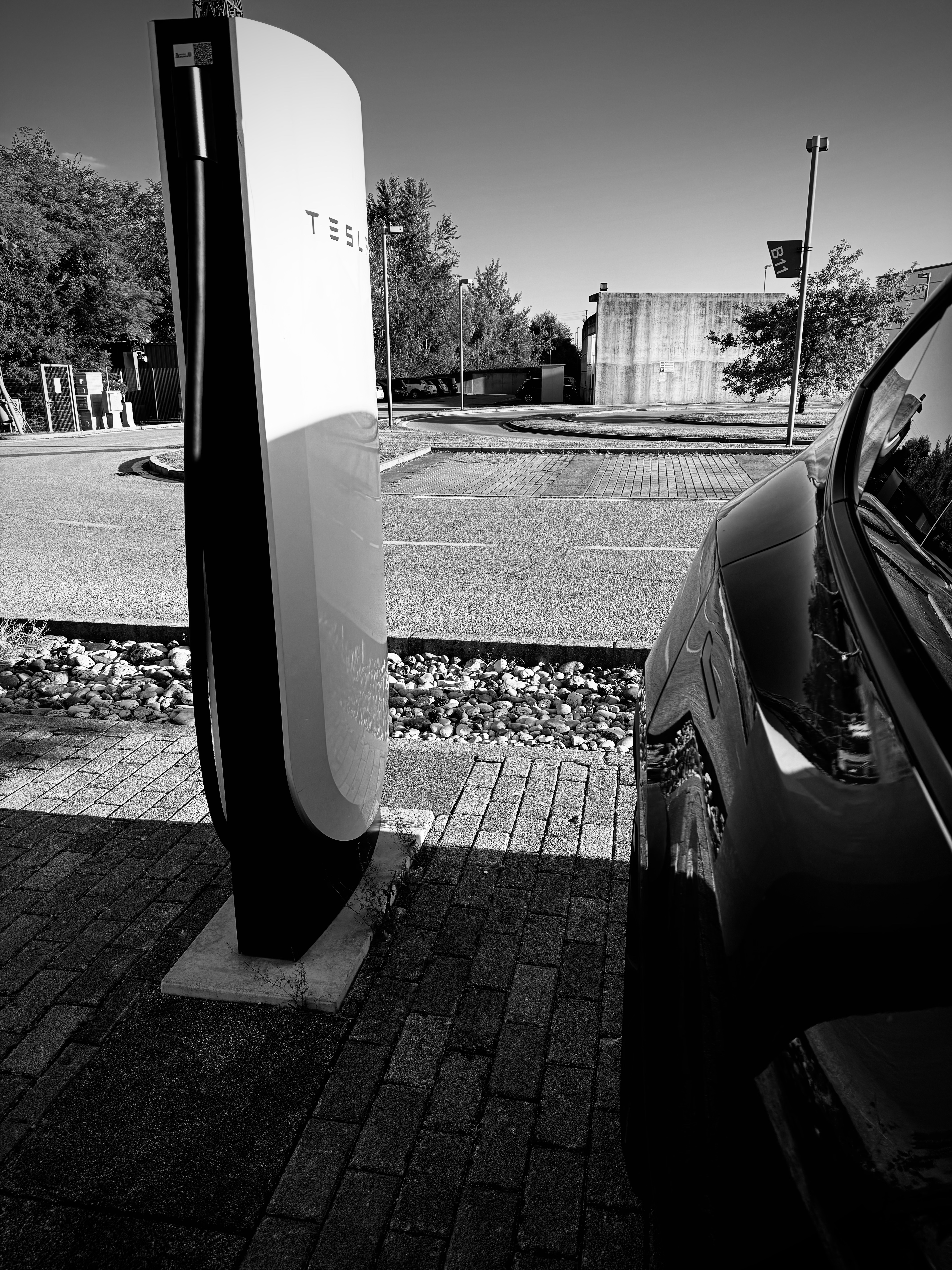
Before diving into the return journey, let me address the question I kept asking myself before this adventure: what’s the charging infrastructure actually like in Italy? Turns out, it’s perfectly adequate. With the caveat that we didn’t venture deep into the mountains, and I understand the South remains somewhat under-served – though that’s changing rapidly.
I knew there were several Superchargers within 20-30 minutes of our destination. I’d also purchased the proper Italian plug connector for Tesla’s “granny charging” kit, just in case we found ourselves genuinely stranded.
Top tip: Italian electricity requires the correct 3-pin plug. Don’t assume the standard 2-pin continental adapter works – you won’t get proper voltage and you’ll likely trip every safety system in the building. In the end, we didn’t need it, but it lives permanently in the charging bag now. Like travel insurance you hope never to use.
We only used the Supercharger in Conegliano during our stay. Conveniently located in a shopping mall car park, so again, no dead time while charging. Turns out there are quite a few others around where we were staying. The Tesla network continues to eliminate the jeopardy factor and the need for seventeen backup apps. Add IONITY as secondary coverage and you’re essentially bulletproof. I’d genuinely like to try another EV manufacturer to see if the experience is comparable.
Other than the occasional awkward junction where you suddenly remember which side of the car the driver should be sitting on, navigating Italy in a right-hand-drive vehicle was surprisingly straightforward. Having my co-pilot handle car park ticket machines definitely reduced stress levels and hernia likelihood though.
The Return: When Vacation Reality Meets Travel Logistics
After a week of what can only be described as aggressive Italian lifestyle research – involving considerable quantities of espresso, Prosecco, prosciutto, and of course, vino – we needed to return to civilisation.
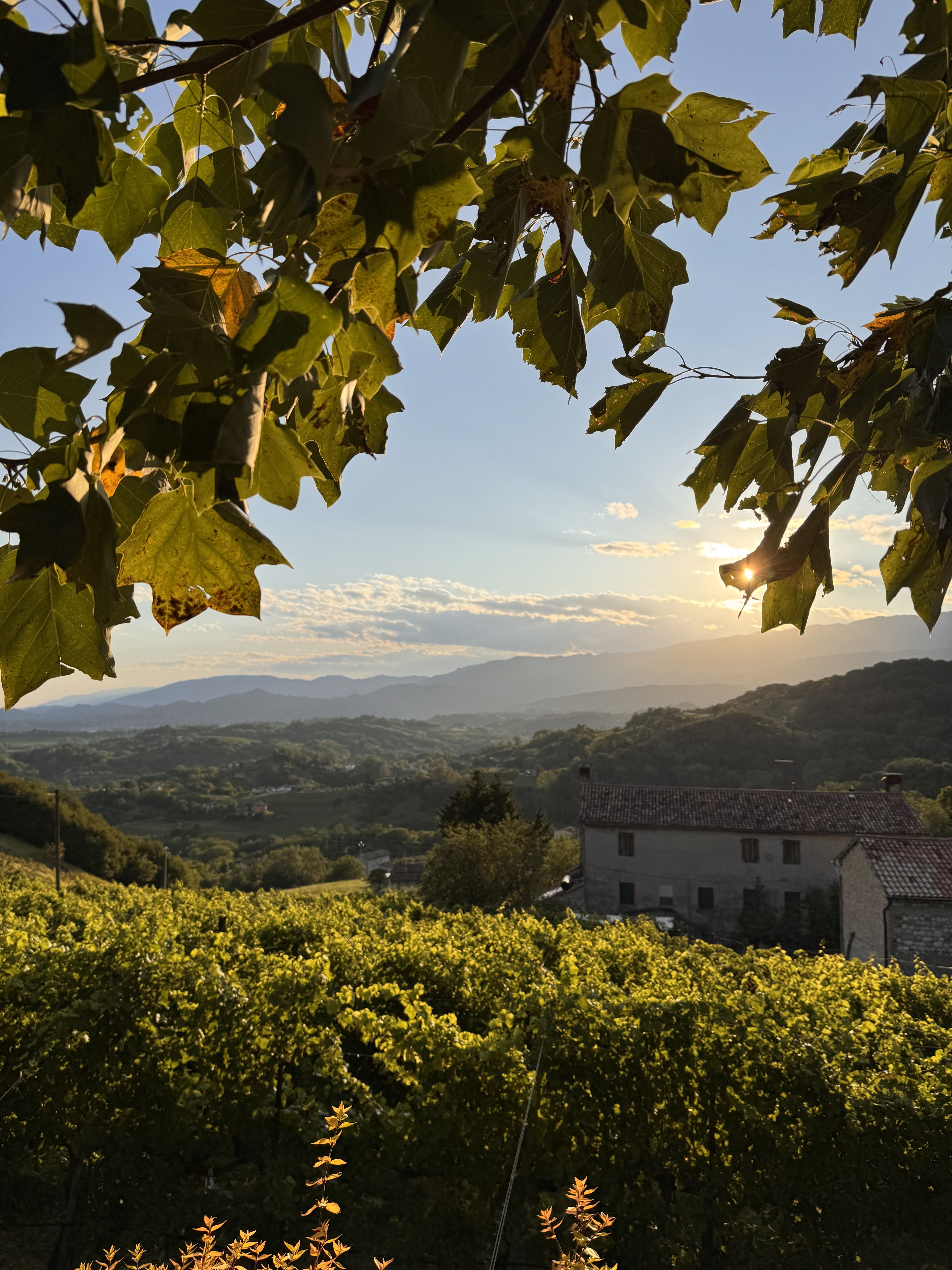
Charge #10 – Congeliano.
Stats: Big fat fill up before departure the next morning | 67.9030 kWh delivered | €28.51 | 1hr 11 mins minutes charging
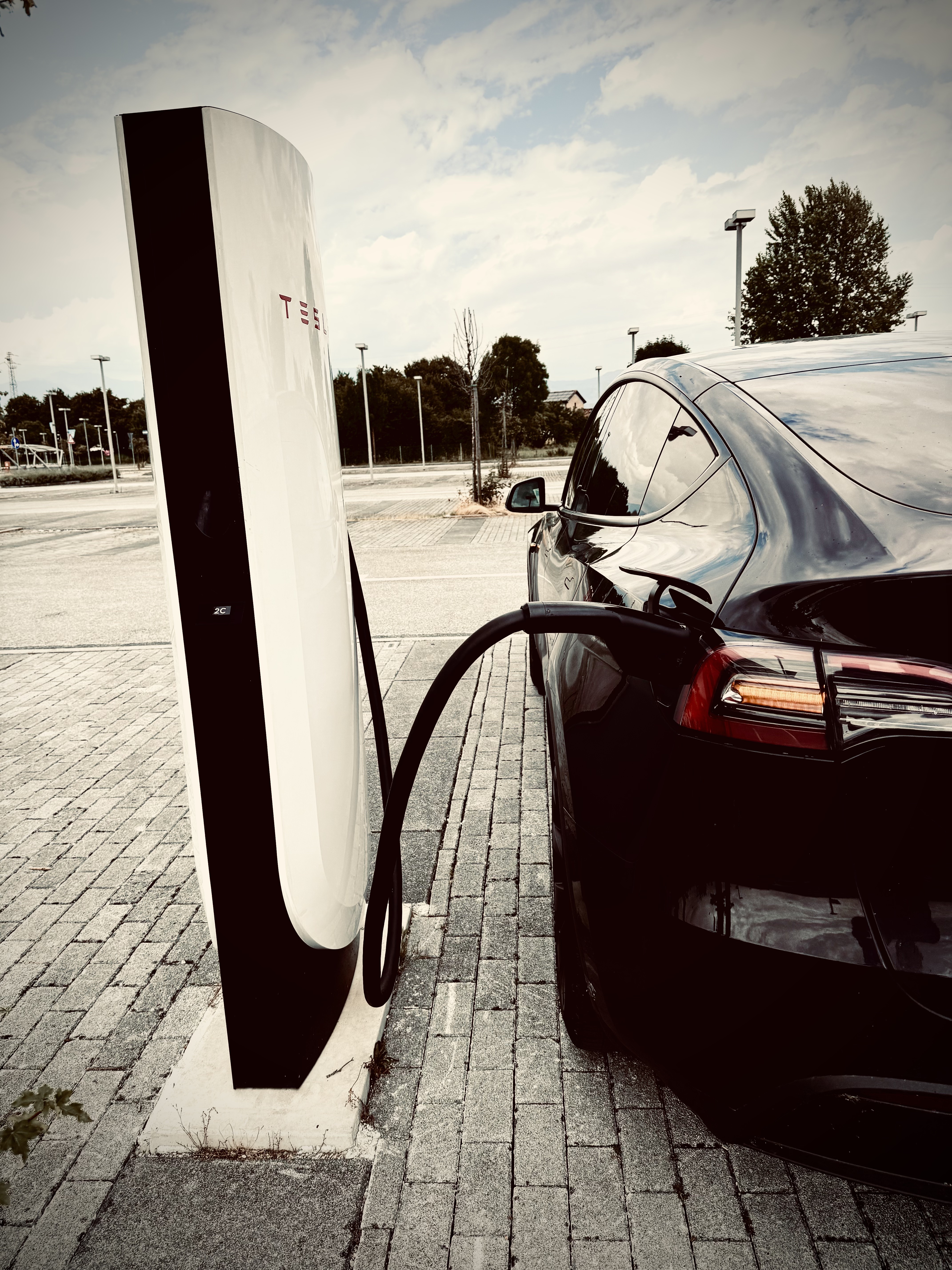
The observant among you will realise we left part one at Charge #7. 8 & 9 were incidental and part of our vacation rather than the road trip but we’re including them in the timeline. We went shopping while the car munched electricity up to 100%.
The big fat charge was the day before departure, enabling an early start and maximum road coverage. Partly to avoid morning traffic, but mainly to avoid arriving at our Beaune hotel at some ungodly hour. I was determined to have that red wine and steak this time. Some promises to yourself are sacred.
We’d planned 8-10 hours of driving. The roads were remarkably quiet. I hadn’t used Autopilot extensively on the southbound journey, but we were now on the SP new road – quieter and more expensive toll routes that bypass much of the A4 chaos. Time to experiment with letting the car do more of the thinking.
On Autopilot and Italian Driving Culture: A Philosophical Mismatch
The Tesla Autopilot system and automated lane changes for overtaking generally work fine in my limited UK experience of using them (I tend to just like driving). But honestly? I don’t trust it. Not yet. It phantom brakes with the enthusiasm of someone who’s just discovered the concept of mortality. Won’t overtake cleanly especially if you have to add pressure to the steering wheel as a reminder you’re still alive at exactly the same time as you’re about to overtake which happens more often than needed. Is overly cautious at over-taking and abandons the move a lot meaning you need to wrestle back control. Gets confused by road signs showing different speeds for wet weather conditions. Becomes utterly bewildered by speed limit changes post-toll gates and at exits.
Given the Italian driver’s cultural commitment to driving approximately 3mm from your rear bumper before overtaking, combined with the car’s tendency toward surprise phantom braking moments, we made an executive decision to drive manually. I suspect that until the technology improves significantly, Italian driving culture will either need systematic adjustment to allow proper following distances, or wholesale conversion to fully automated driving. You can literally visualise the inevitable collision scenarios playing out. While I’m saying Italian here, you can also apply the same to France. Germany and Switzerland less so.
We didn’t engage Autopilot again until France.
Charge #11 – Adda Nord, Caravaggio, Milano: The Lavazza Oasis
Stats: 3 hours driving | 175 m / 280km | 45.6580 kWh delivered | €19.17 | 23 minutes charging
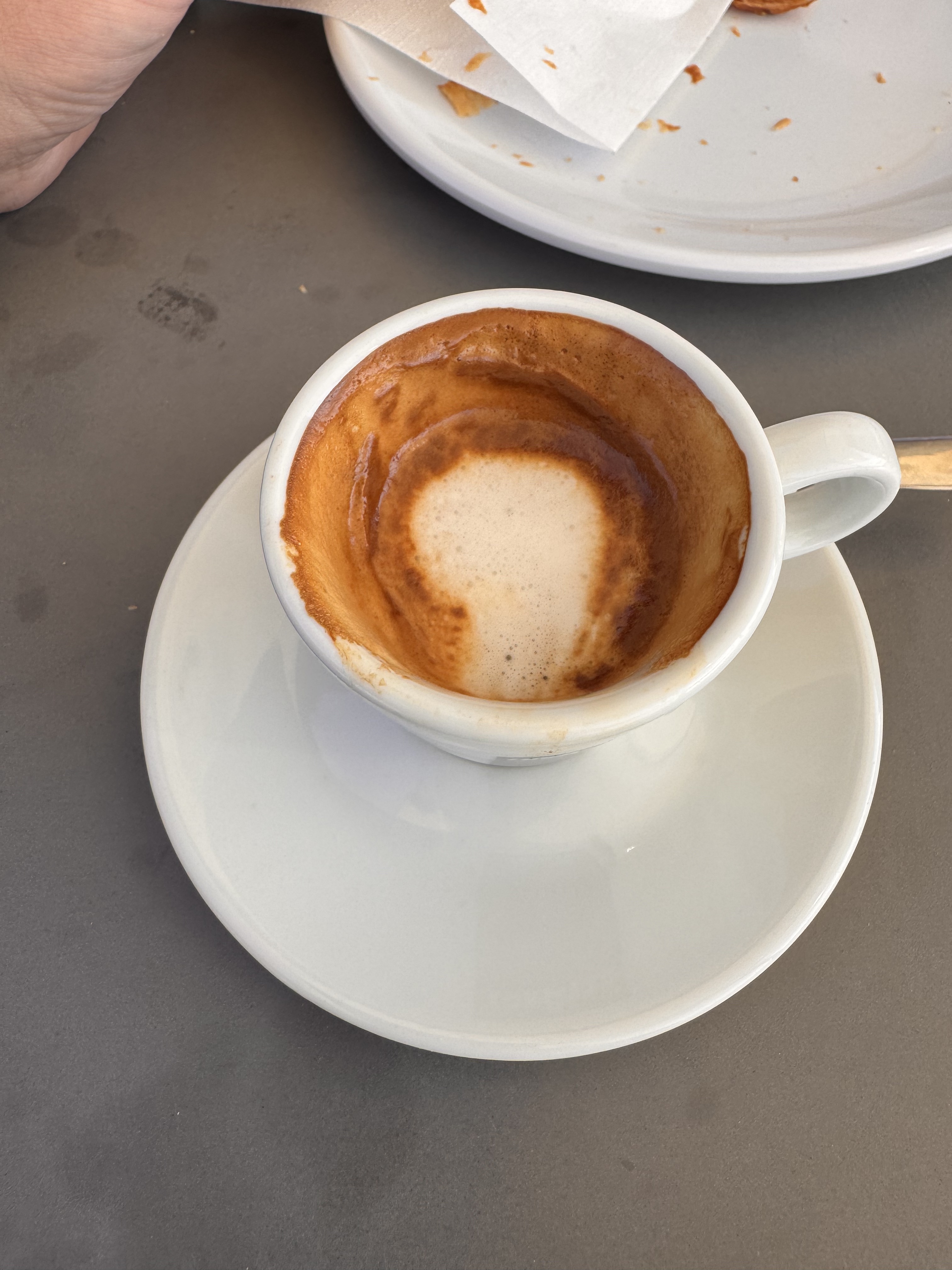
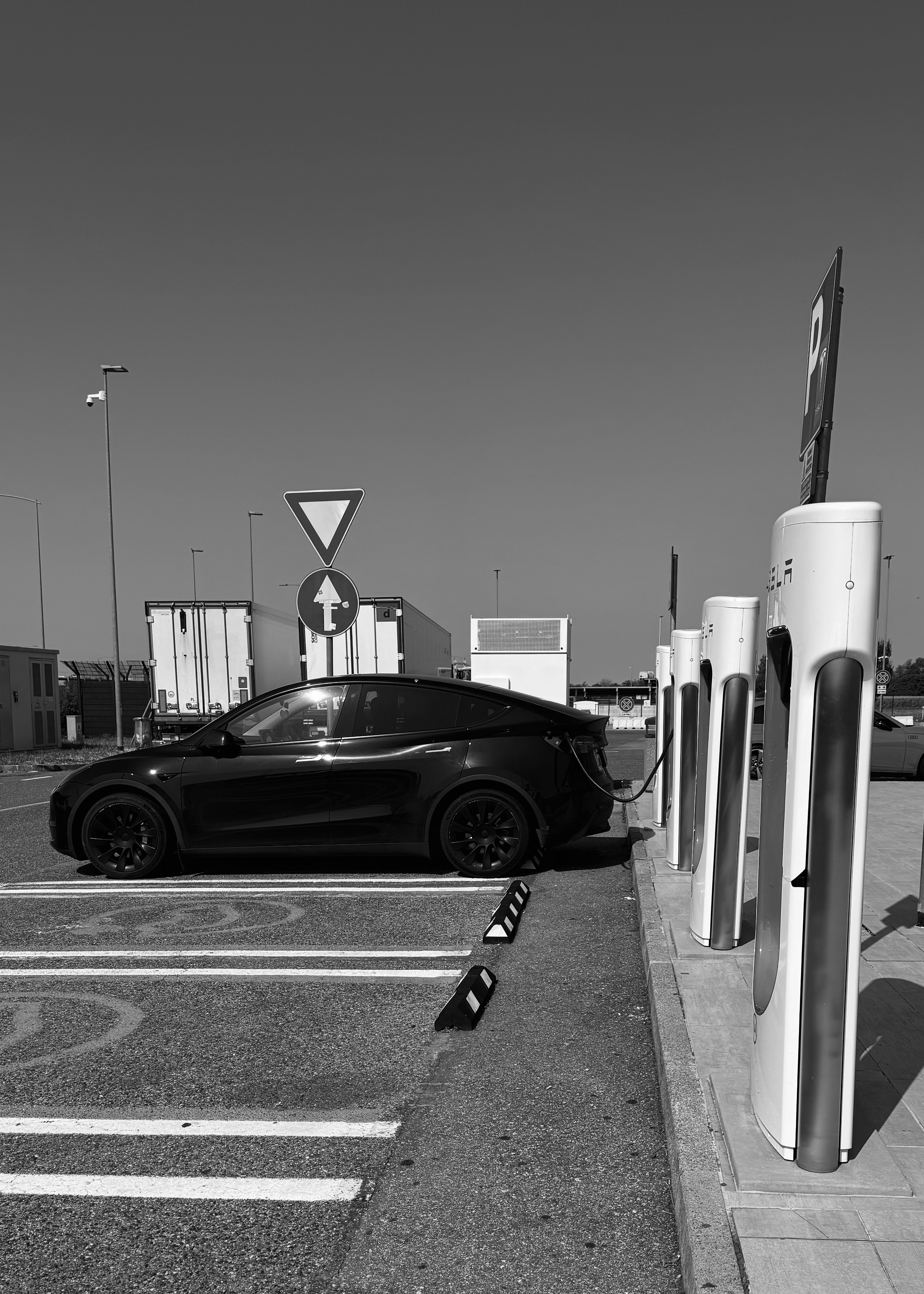
A proper Lavazza café – the kind that reminds you why Italian coffee culture conquered the world. They also had some EWIVA chargers, which I’d noticed at various locations and service stations. Both EWIVA and IONITY appear to be straightforward plug-and-pay operations with credit cards, but I can’t confirm this because we maintained religious adherence to the Tesla ecosystem.
Onward to France. But which route? We were heading toward Aosta again, but faced the eternal choice: Mont Blanc/Monte Bianco or St. Bernard/Bernardo tunnel?
We were hoping for the white mountain, having never experienced that particular feat of engineering. Had to contend with some roadworks en route, but nothing excessive. There’s considerable infrastructure development happening in Northern Italy – presumably preparation for the Milano/Cortina Winter Olympics in 2026.
As we approached, Mont Blanc became the preferred route. But not before a stop in Aosta.
Charge #12 – Aosta: When Reality Disappoints
Stats: 2.5 hours driving | 135 m / 220km | 57.0760 kWh delivered | €25.68 | 35 minutes charging
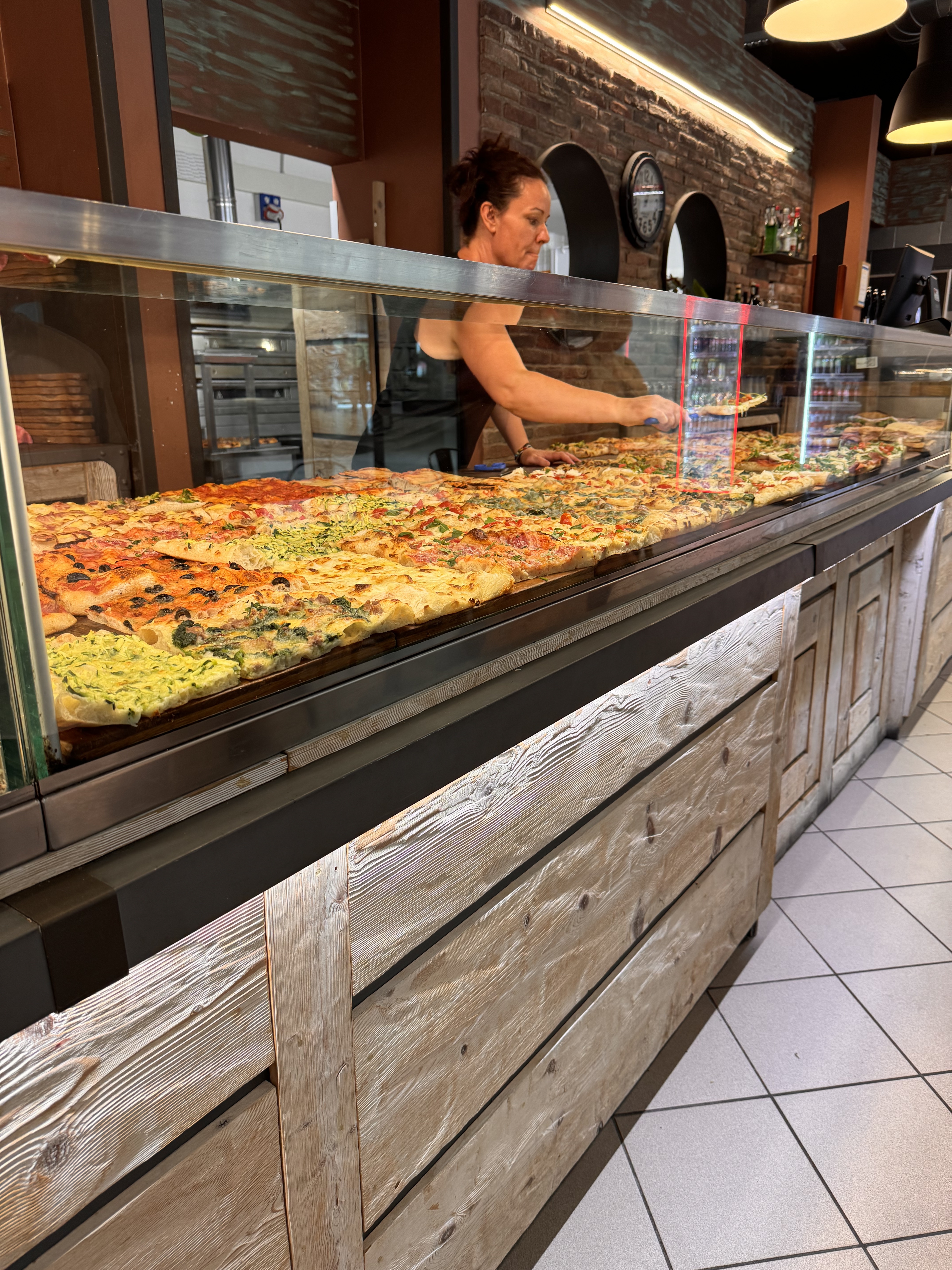
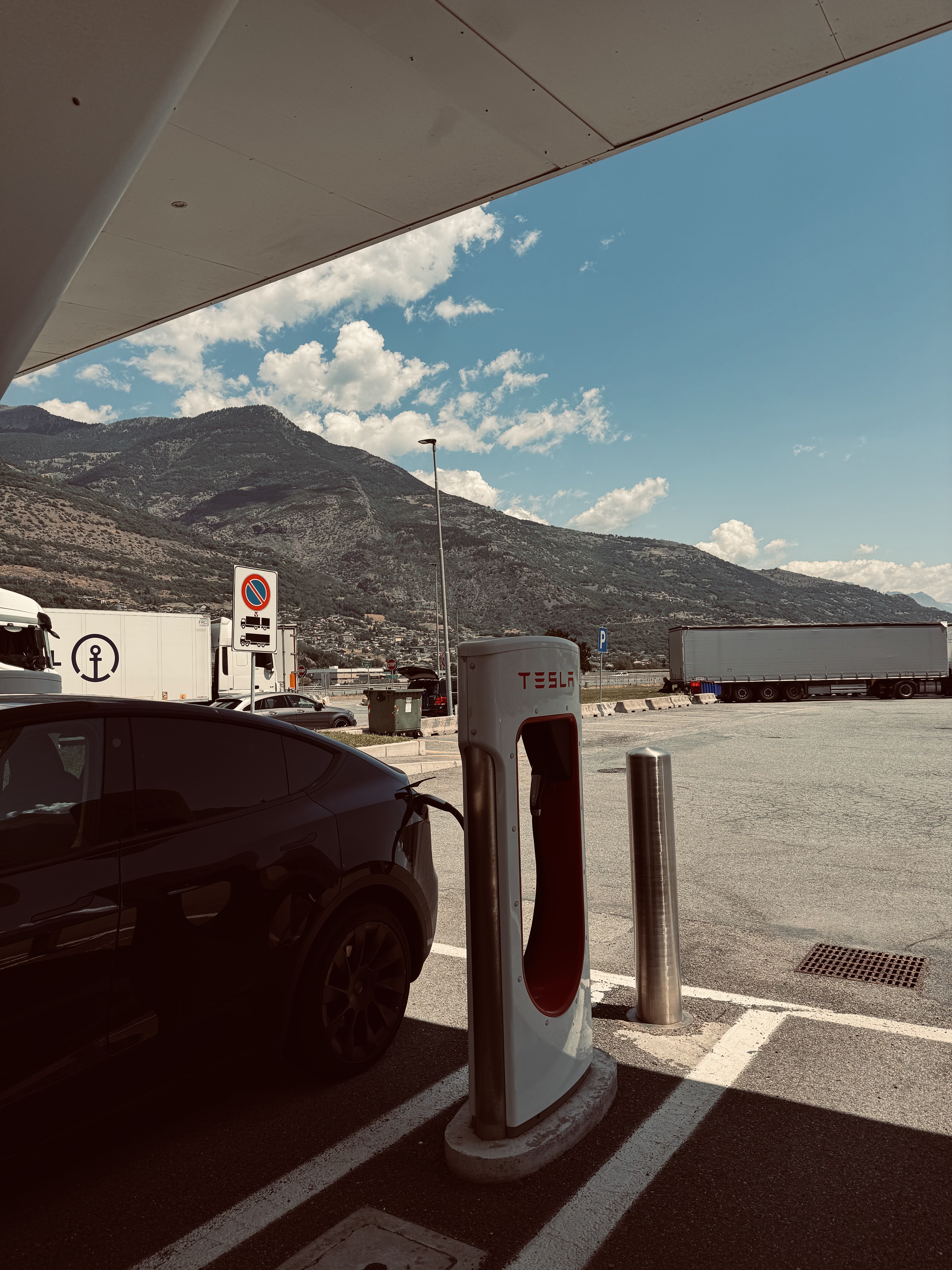
Our least favourite stop of the entire journey. (Well, perhaps the Versailles one pipped this.)
Having been thoroughly spoiled by excellent amenities, outstanding coffee, and proper restaurants, this felt like a significant downgrade. Run-down facilities, a supermarket with the layout and ambiance of Poundland, and several aggressively mediocre cafés. We ended up consuming what was optimistically described as “pizza” but bore no resemblance to anything Italian cuisine would recognise as legitimate.
Sometimes travel reminds you why certain places become destinations and others become… pit stops.
Into the Mountain: Mont Blanc and the Joy of Tunnels
Onto – or more accurately, into – the mountain. And back to France.
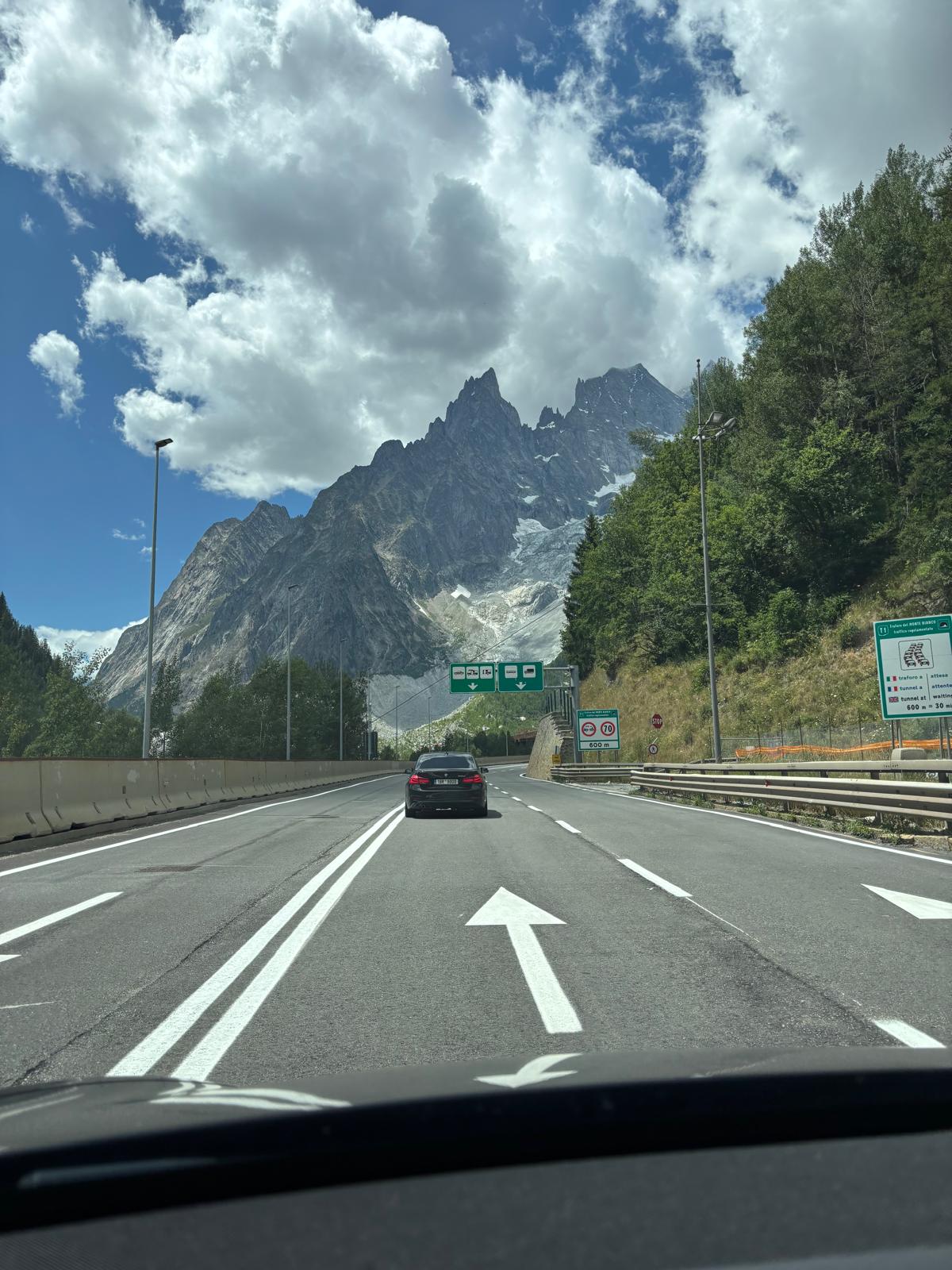
There’s something deeply satisfying about approaching a major tunnel. Maybe it’s the engineering marvel aspect. Maybe it’s vaguely Freudian. Either way, we enjoyed it. We also enjoyed not being stuck in the queues on the opposite side.
Where we’d driven up, we spent the next several hours driving down. Obviously descending the mountain initially – some genuinely surprising hairpin bends – then down various motorways. In an EV, downhill driving is genuinely beneficial.
We hadn’t obsessed over range projections at all throughout the trip. Never once reached single-digit percentages. Never once having to turn off the air conditioning etc. But you do notice that increasing speed affects projected battery percentage at destination quite rapidly. It became a minor challenge to wrestle the charge projection back up. Downhill driving helps enormously – so much so that it extended our next charging stop. We didn’t mind this time, having packed additional human fuel at our previous stop.
Tesla Charging Etiquette: A Manifesto
One bonus feature of the Tesla ecosystem: it tells you how many charging stalls exist, how many are available, and which ones are out of service. Throughout this journey, we never queued for a charger although I suspect that will become more inevitable as EV adoption increases and the Tesla network is opened up to more and more brands. But what did irritate me was the complete absence of charging etiquette.
Perhaps it’s the detail-obsessive part of my personality, but when we got the Tesla, I descended into the rabbit hole of forums and how-to guides. Turns out there’s an entire subculture of Tesla enthusiasts who believe you should purchase every conceivable accessory. The old adage applies: just because you can doesn’t mean you should.
I have exactly three accessories:
- Screen protector – because if that cracks, you’re genuinely compromised.
- Rubber tray inserts for the frunk and boot – because we do have muddy footwear in this country and hosing these down beats interior detailing.
- Center console tray – because otherwise it’s just a cavernous space where small objects disappear forever.
That’s it. Restraint is a virtue.
Where was I? Oh yes, etiquette.
You also learn about optimal charging behavior. Each gleaming white charging station has two sides: A and B. Basic logic suggests charge rates decrease when both A and B are occupied simultaneously. So if someone’s using stall 1A, don’t park at 1B if other spaces are available. It’s the urinal principle: don’t stand directly next to someone if there are other options. Leave a gap.
This annoyed me more than it should have.
Charge #13 – Mâcon: Tesla Town
Stats: 3.5 hours driving | 210 m / 340km | 35.8860 kWh delivered | €12.20 | 17 minutes charging
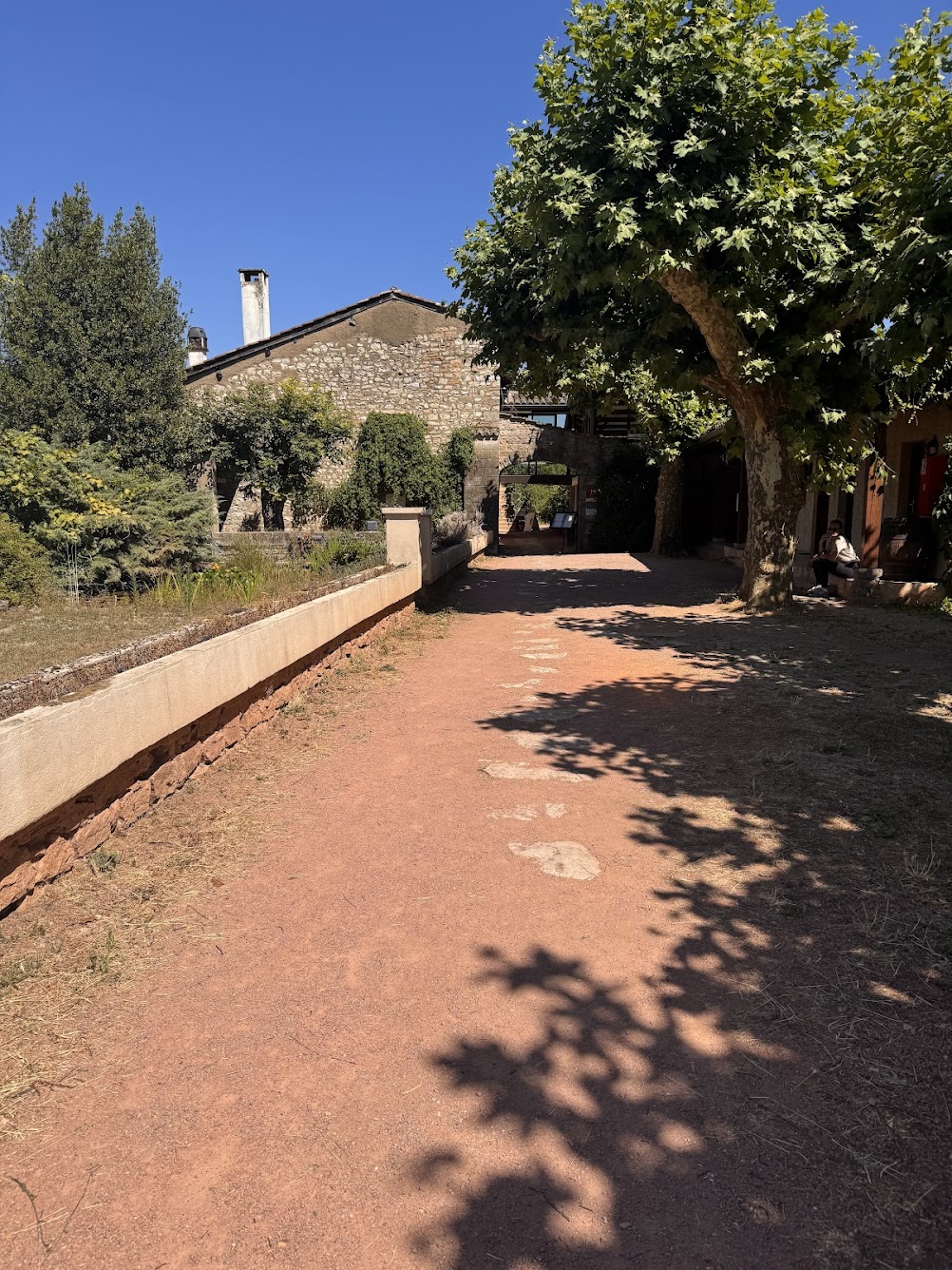
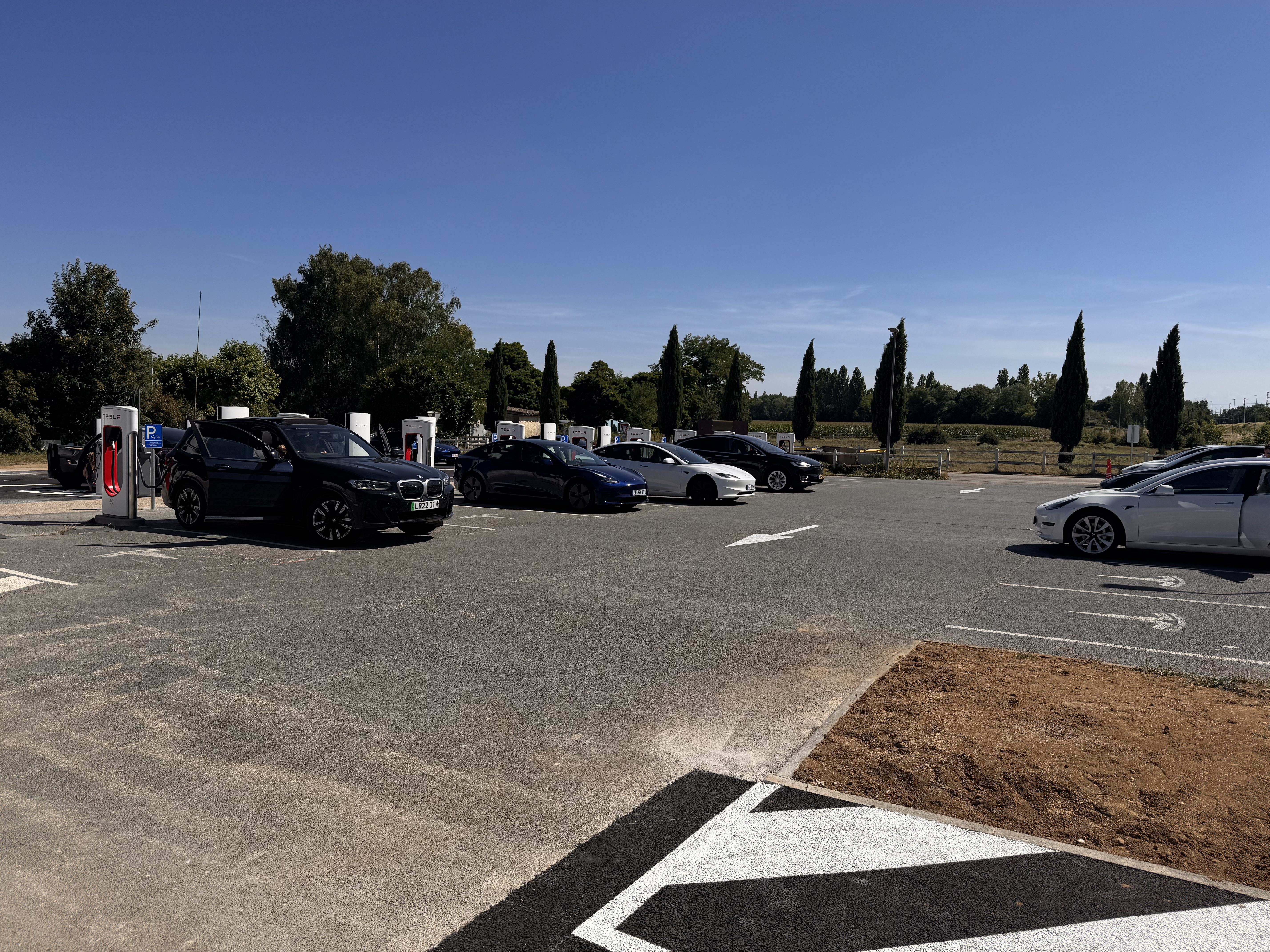
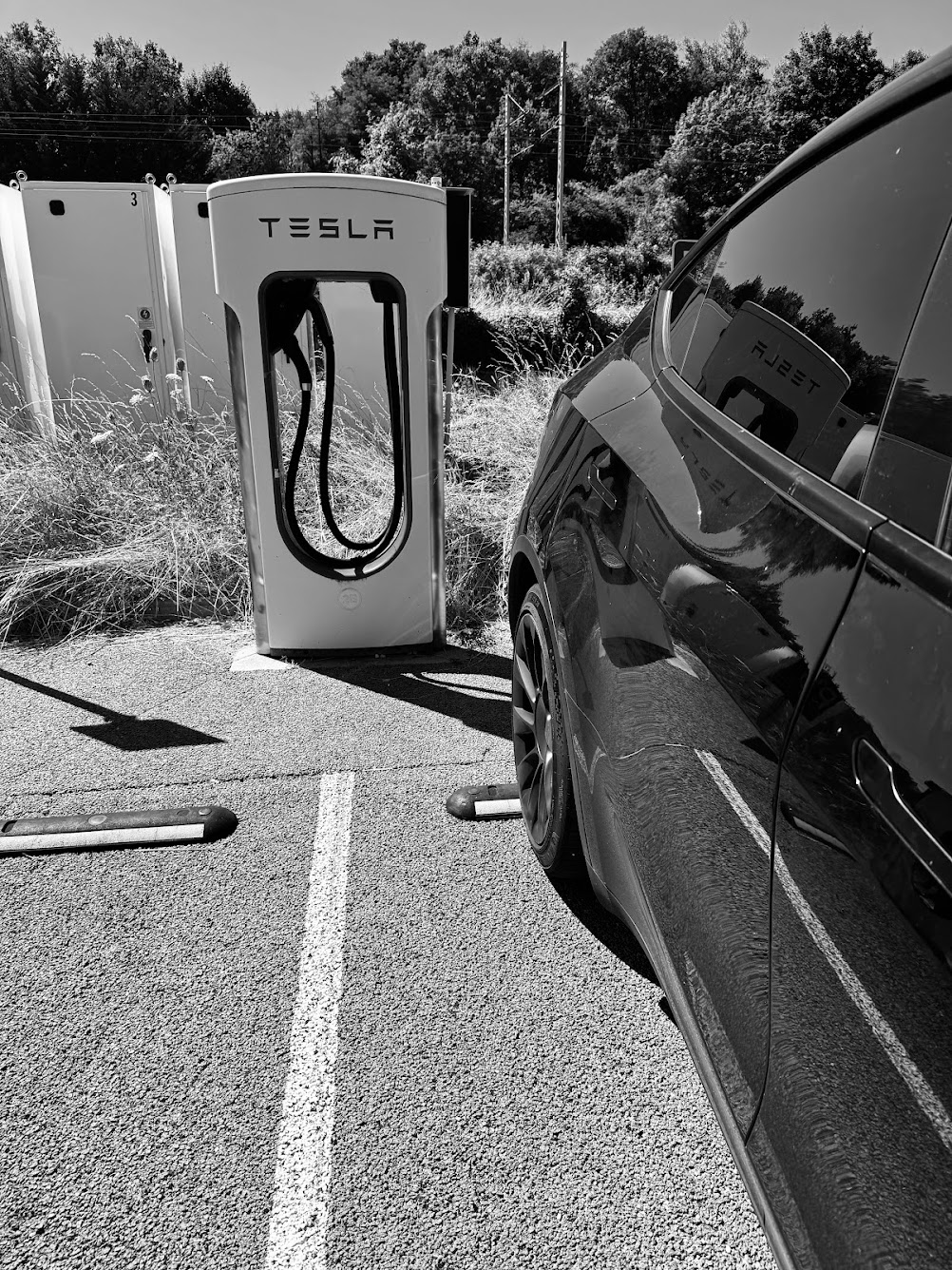
Turns out Mâcon is a Tesla outpost. Loads of chargers and an impressive Tesla-branded pop-up facility. Unfortunately, said facility was locked despite advertising 24-hour access. Entry required a code. Where to find this code? Not in the app. No other driver seemed to know either – including French, Dutch, and German drivers who all performed the same ritual: approached confidently, tried the handle, pressed random keypad buttons, read signs carefully, checked the app, then walked away looking mildly confused.
We all ended up at the charming hotel/restaurant next door instead. Shame about the Tesla hut – looked like it had decent snacks.
Next Stop: Beaune (Where Wine Dreams Come True)
I’d chosen Beaune for the same reason I’d chosen Dijon – wine country. And also approx. half-way distance. Where we’d failed in Dijon, we would succeed in Beaune. By purchasing and consuming wine. Sometimes objectives are beautifully simple.
The secondary reason was more practical: trying a different hotel and route for the same rough journey, creating multiple options for future adventures. But primarily, wine.
Also, the Mercure has on-site chargers – not just Tesla but other fast chargers and overnight slow charging options. France approaches electric vehicle infrastructure with admirable thoroughness.
Having never visited Beaune, it’s essentially a series of endless roundabouts surrounded by hotels with variations of “wine” in their names, becoming progressively more familiar as you approach the center. Like a vinous treasure hunt with better parking.
Charge #14 – Mercure Beaune
The Mercure costs roughly the same as Holiday Inn but felt considerably more upmarket. Perhaps arriving in afternoon daylight helped, but the atmosphere was distinctly more sophisticated. No traditional check-in desk – just two concierges with iPads. The room was excellent and overlooked a pool. We didn’t test the pool. (There was a pool at the Holiday Inn btw).
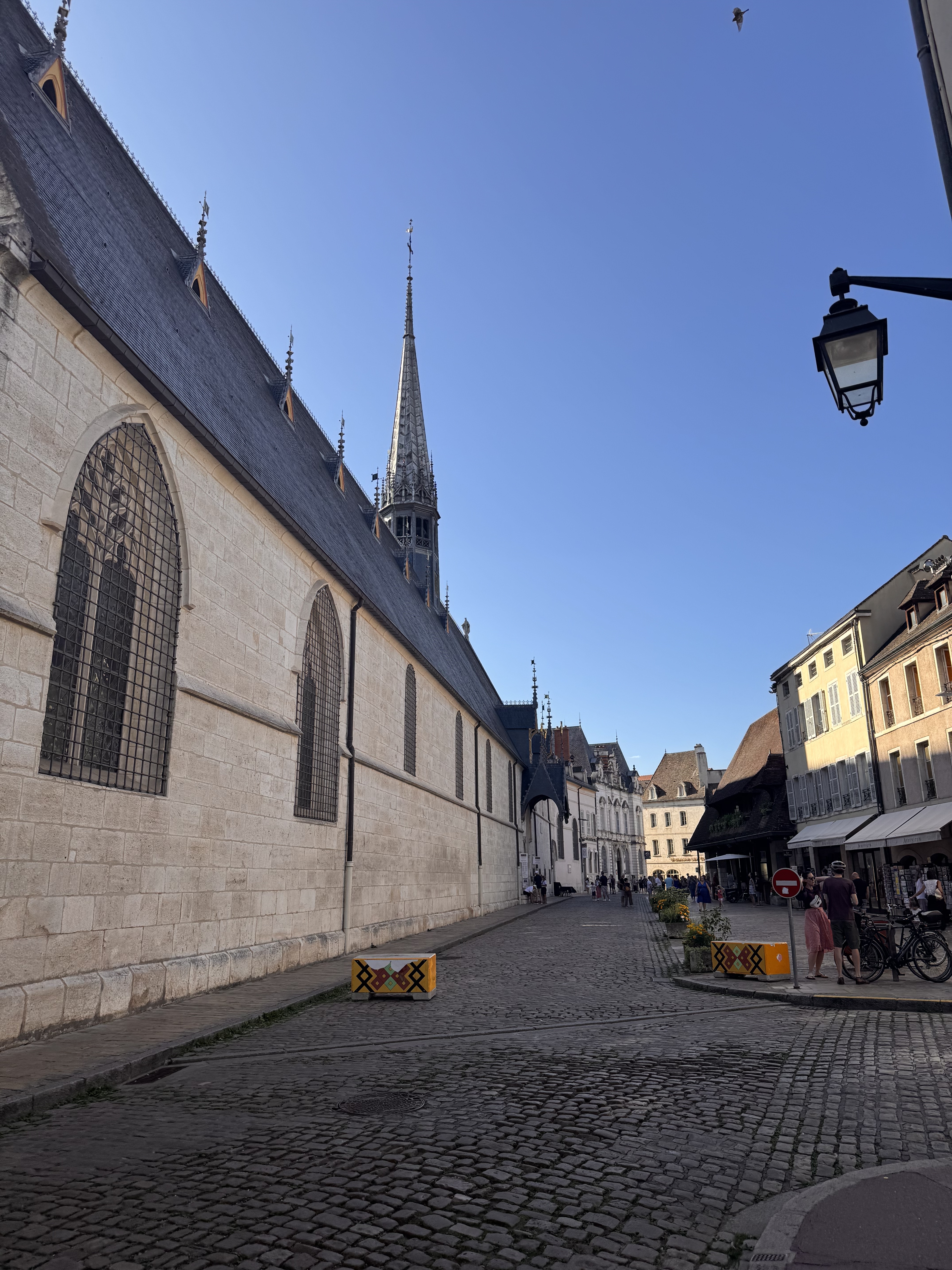
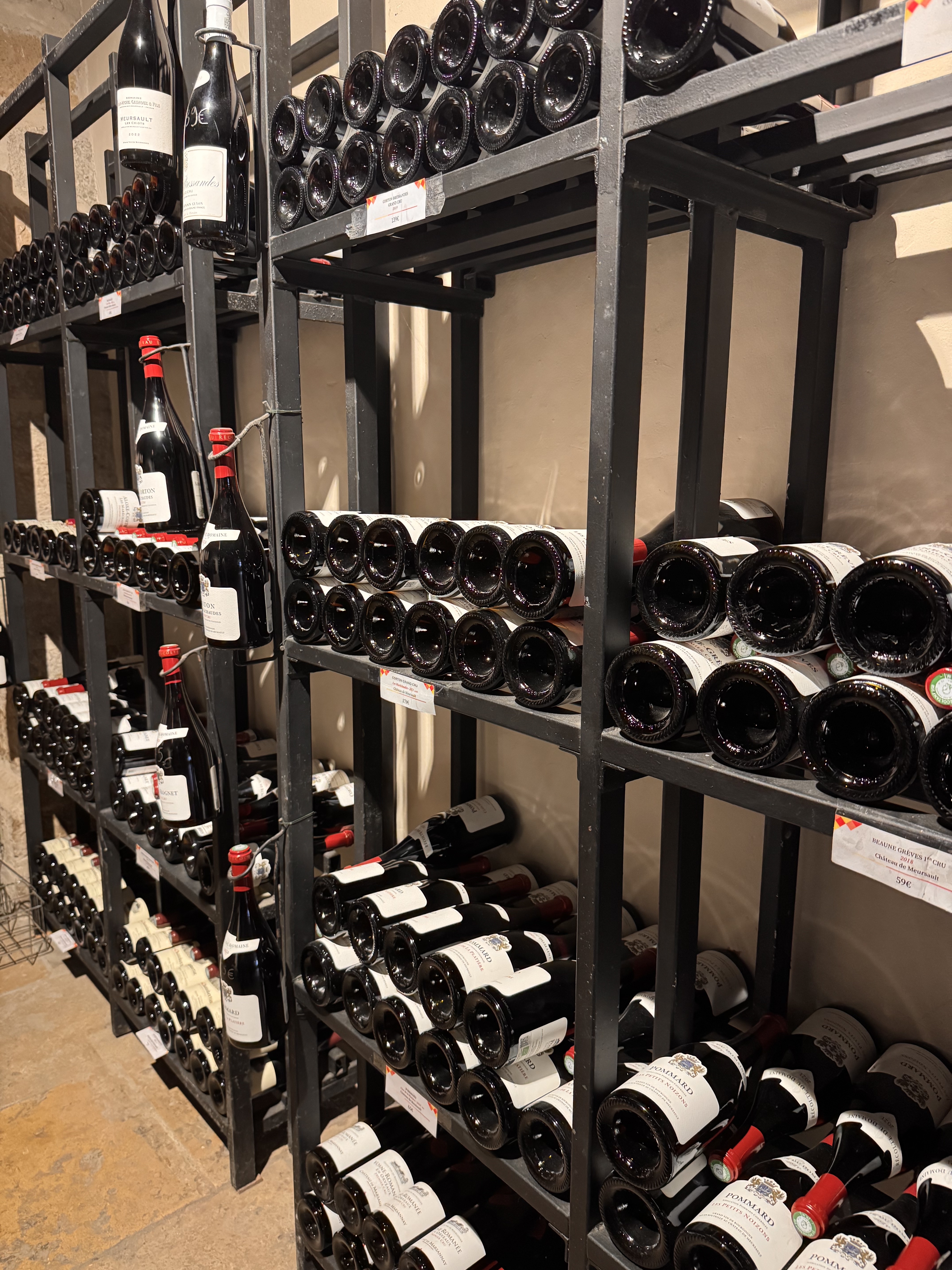
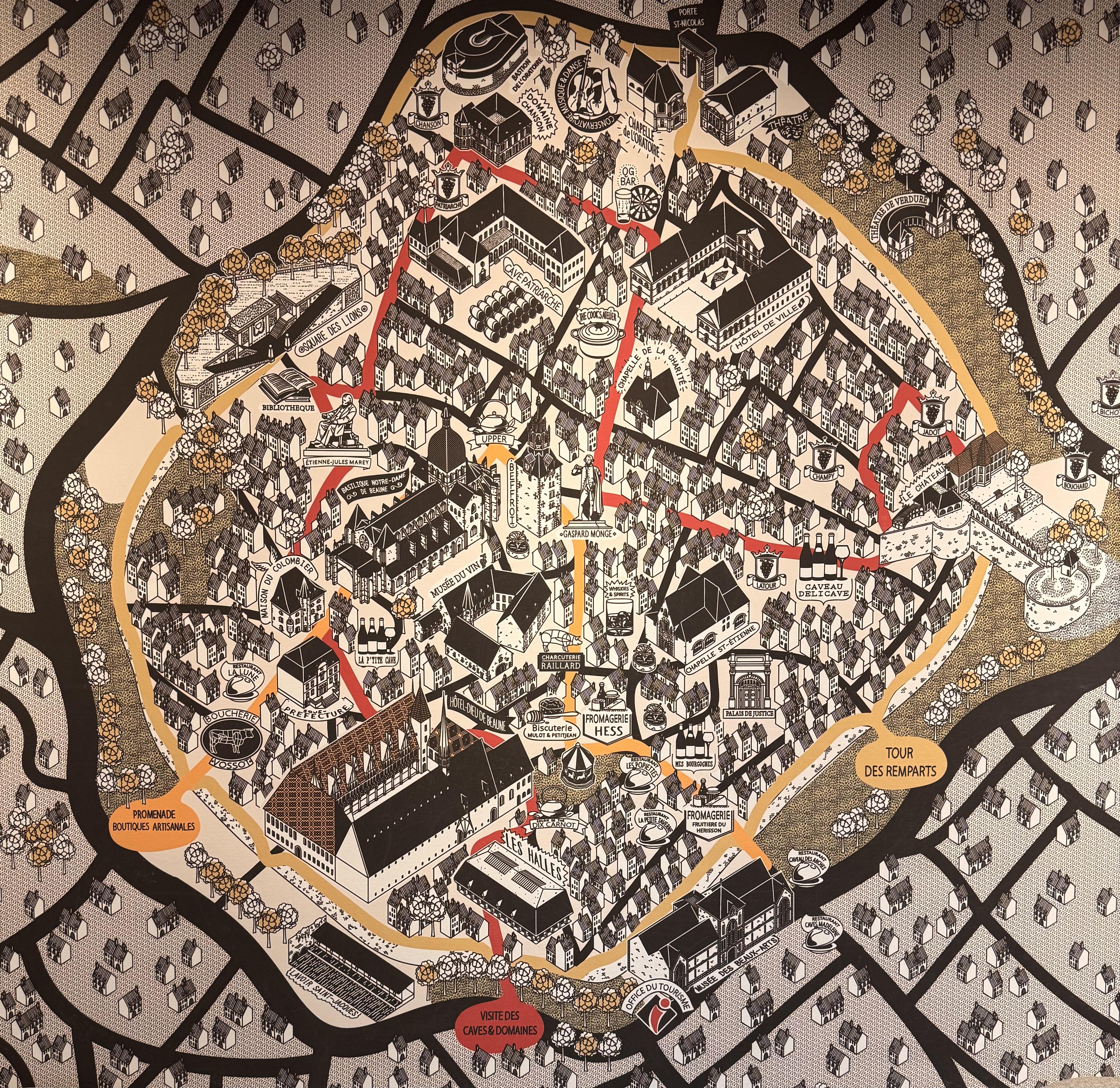
We asked the iPad concierge team where to purchase wine without requiring mortgage refinancing. Probably the 50th time they’d fielded that question today. So off we went in the general direction, and ten minutes’ stroll later, we were properly in Beaune.
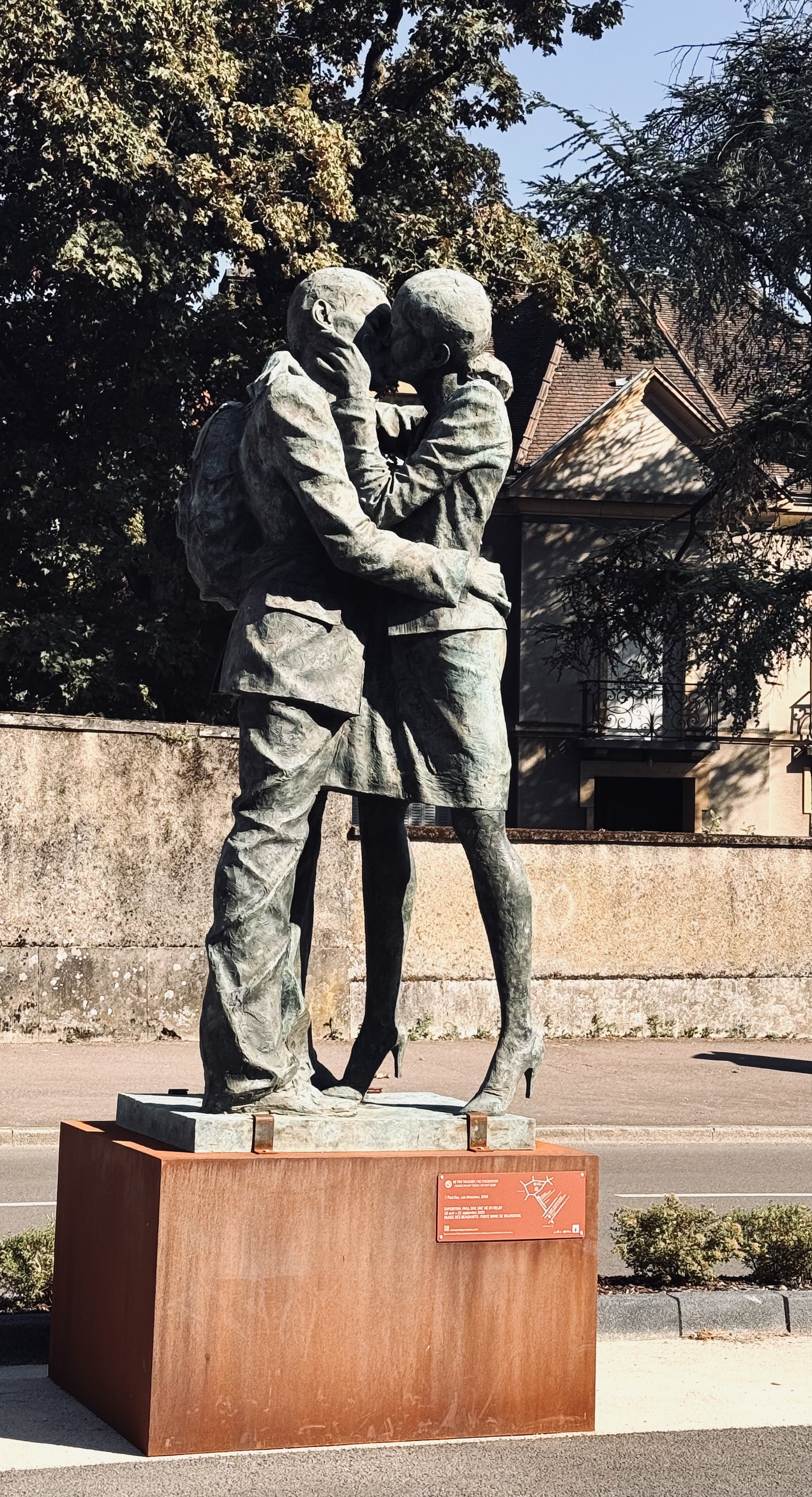
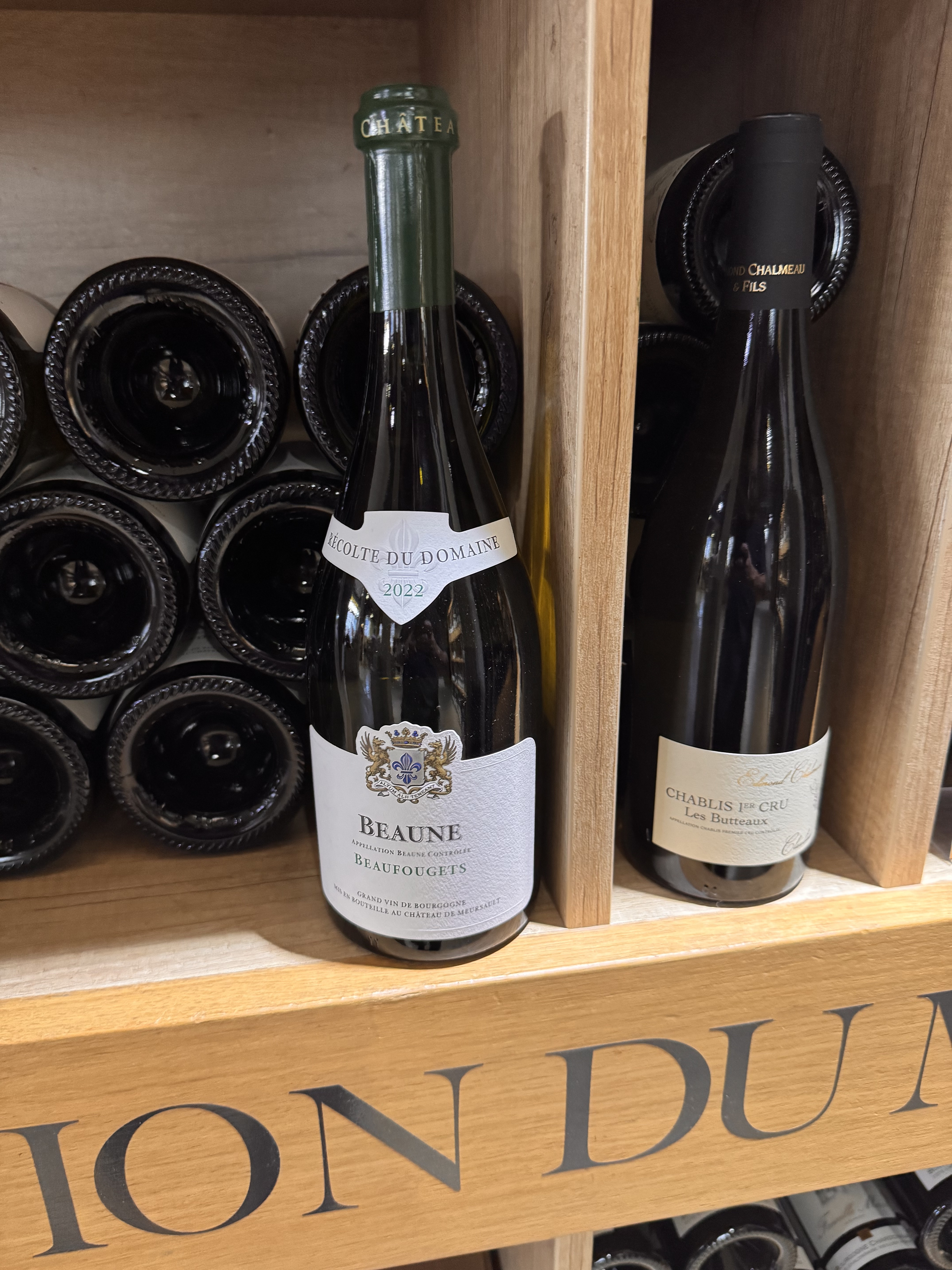
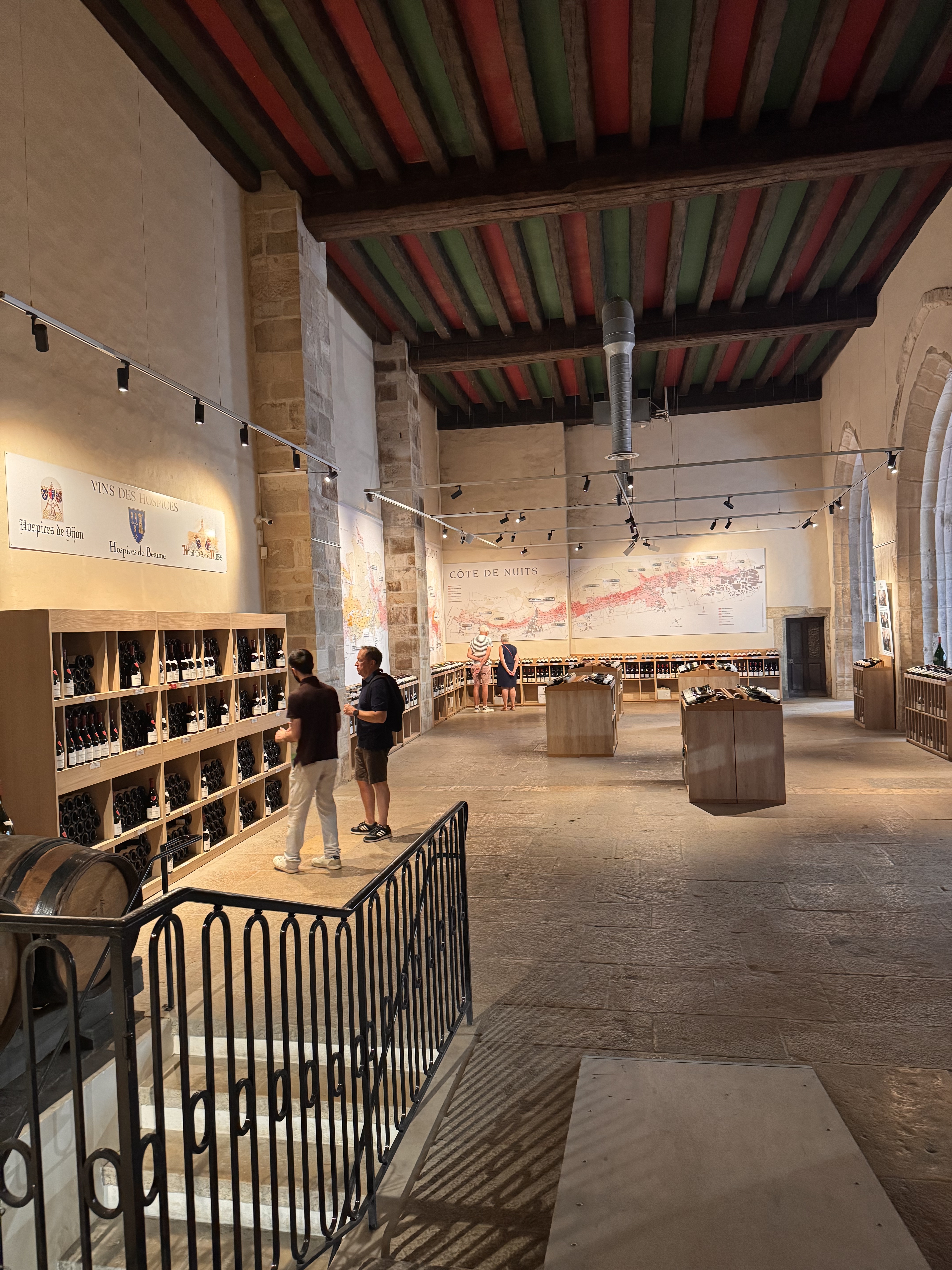
Obviously, there are tourist areas. Obviously, there’s wine everywhere. We entered one establishment that felt like a cathedral and was genuinely intimidating. We found another where a pleasant gentleman helped us select six bottles that cost as much as thirty-six we’d purchased in Italy.
Postscript: The reds were exceptional. The white distinctly meh.
Breaking the Second Sacred Rule of Travel
Turns out proper restaurants require advance booking. At which point, with driving fatigue setting in, we violated the Second Sacred Rule of Travel. Readers of Part One will remember the First Rule: avoid McDonald’s and similar establishments.
The Second Rule: Never eat in your hotel restaurant.
After years of business travel, I can confidently state that most hotel restaurants are overpriced and mediocre. Occasionally, however, convenience outweighs principle.
So we broke the Second Rule.
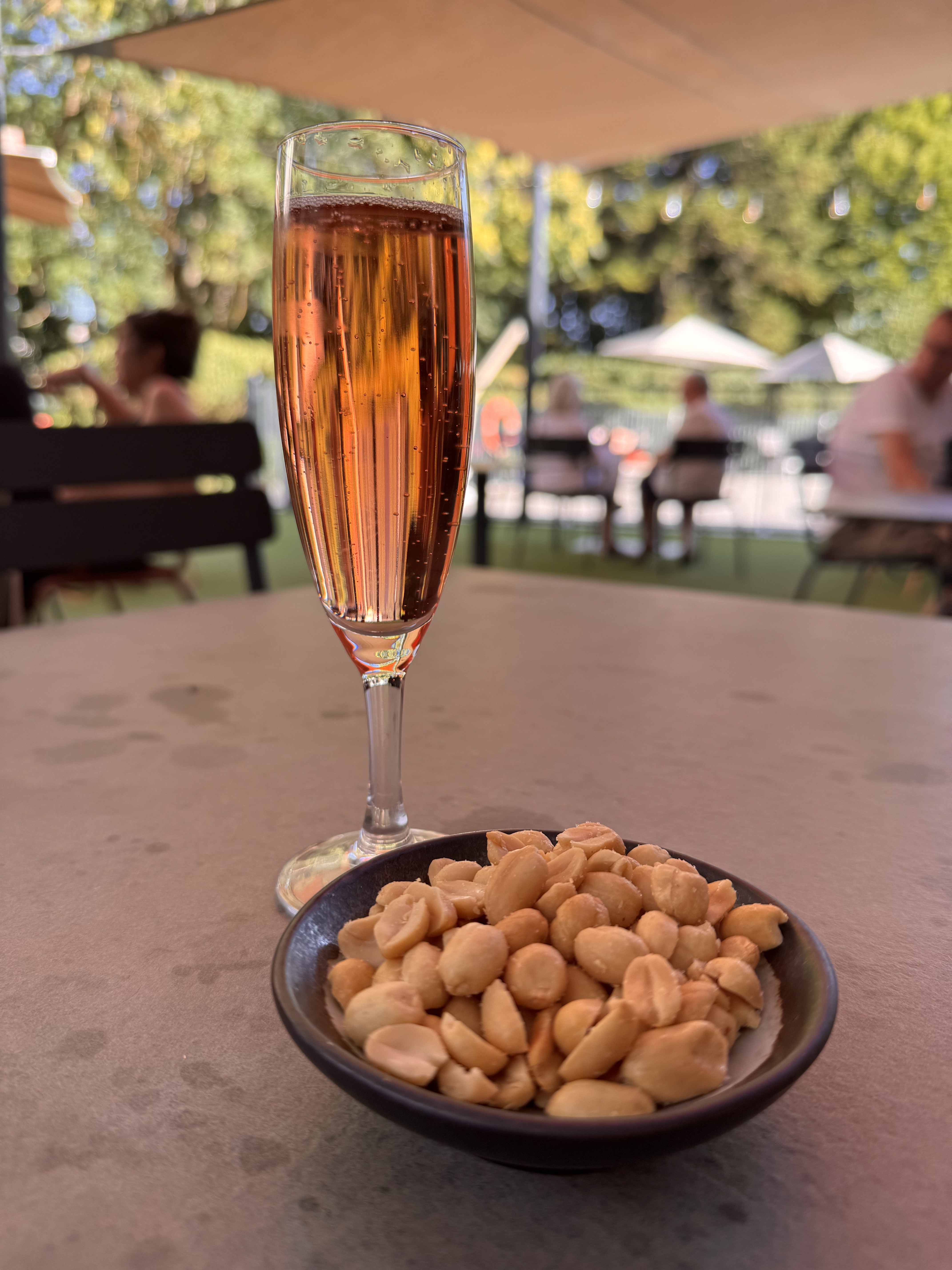
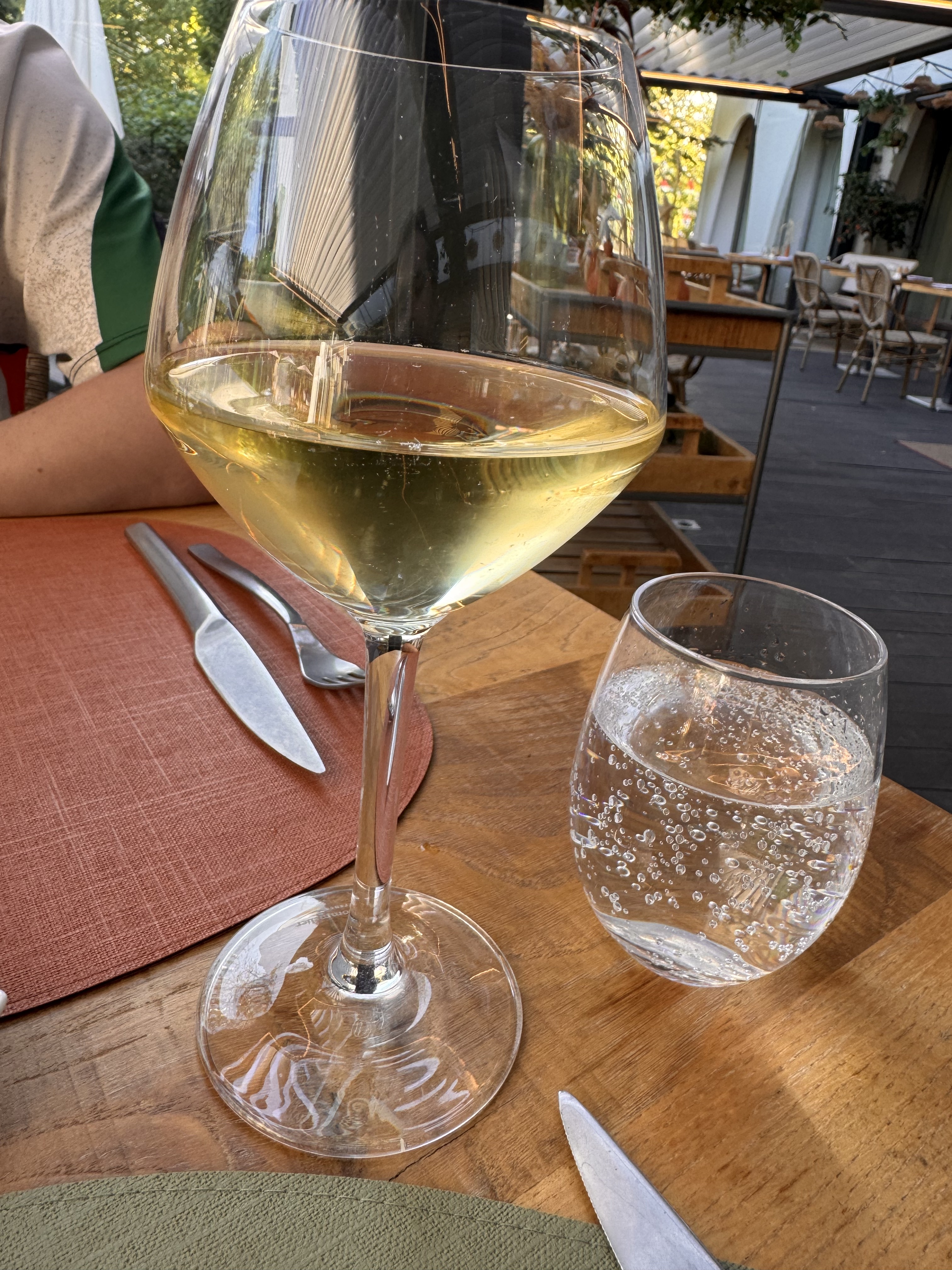
It was overpriced. Marginally above average. My son enjoyed the peculiar egg preparation. I got my steak. The red wine was lovely. We were unconscious by 9pm.
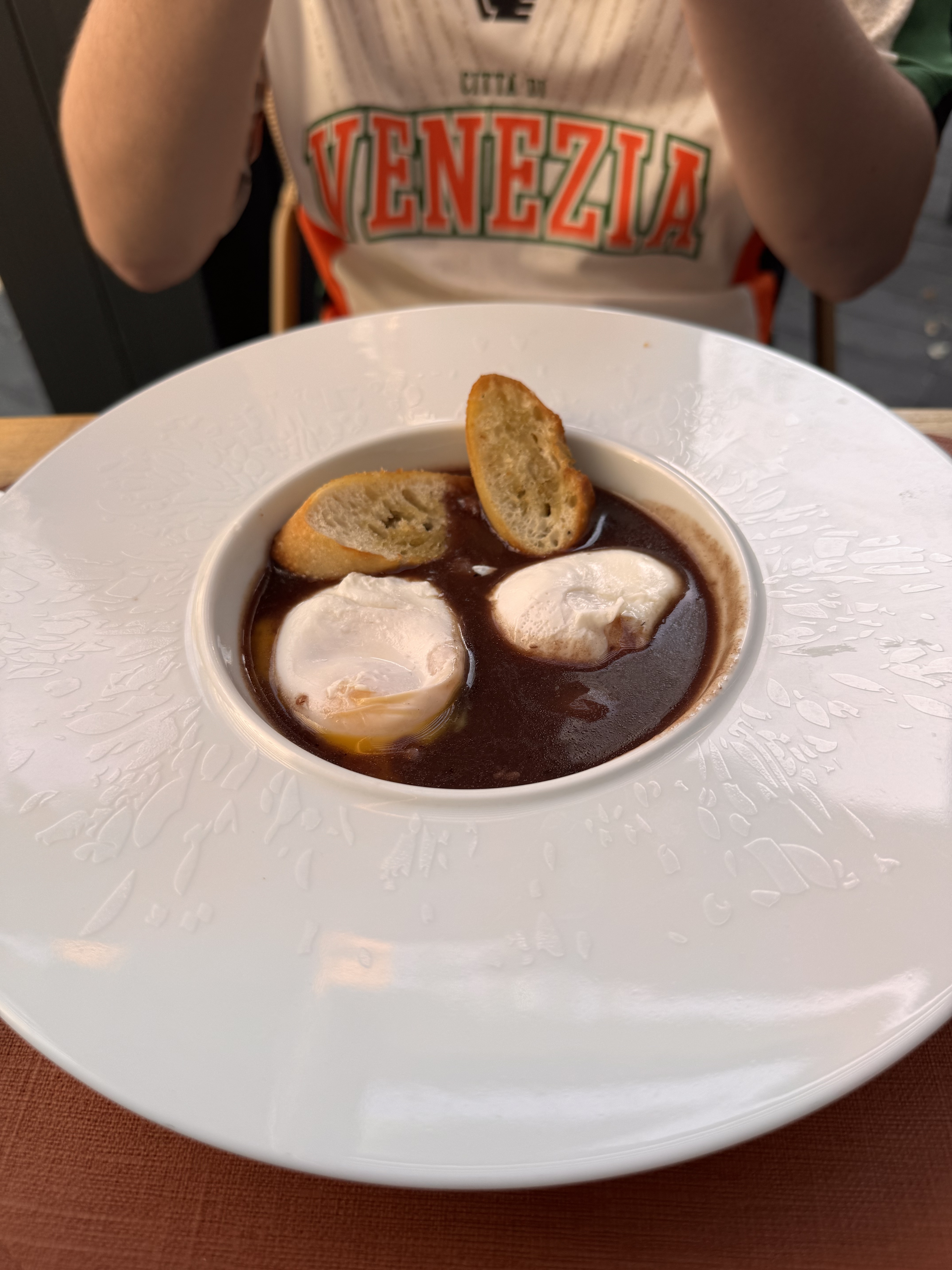
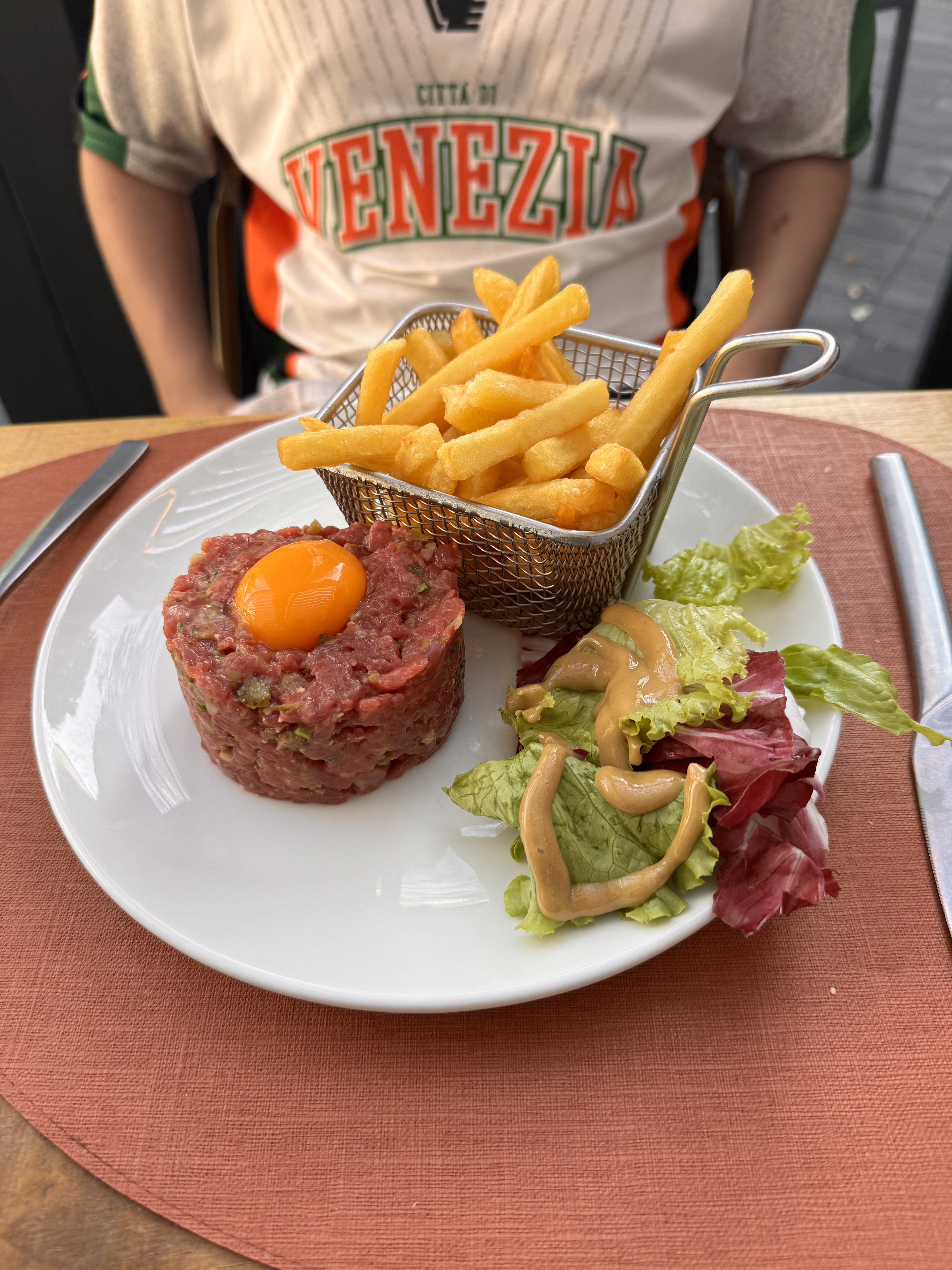
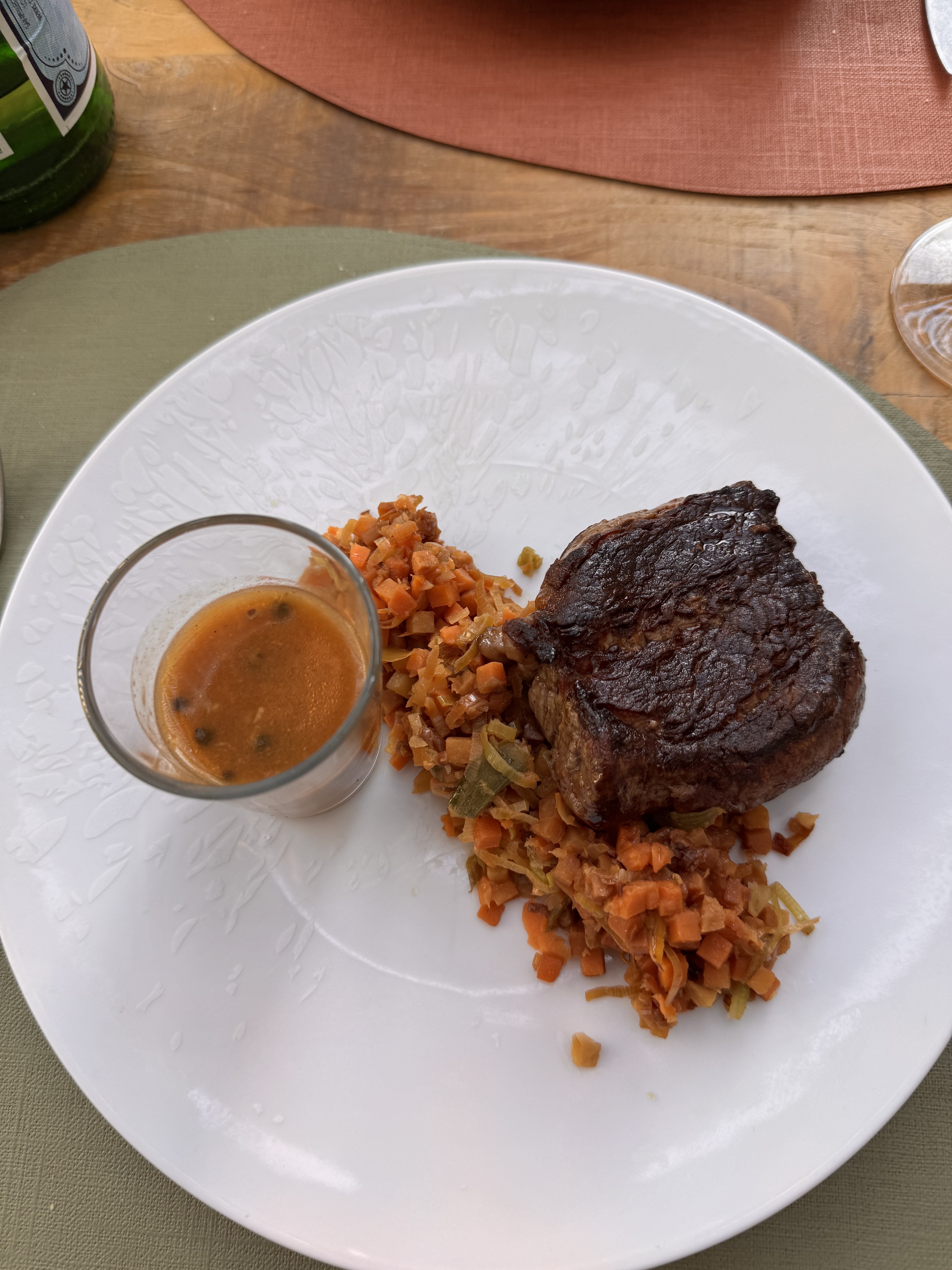
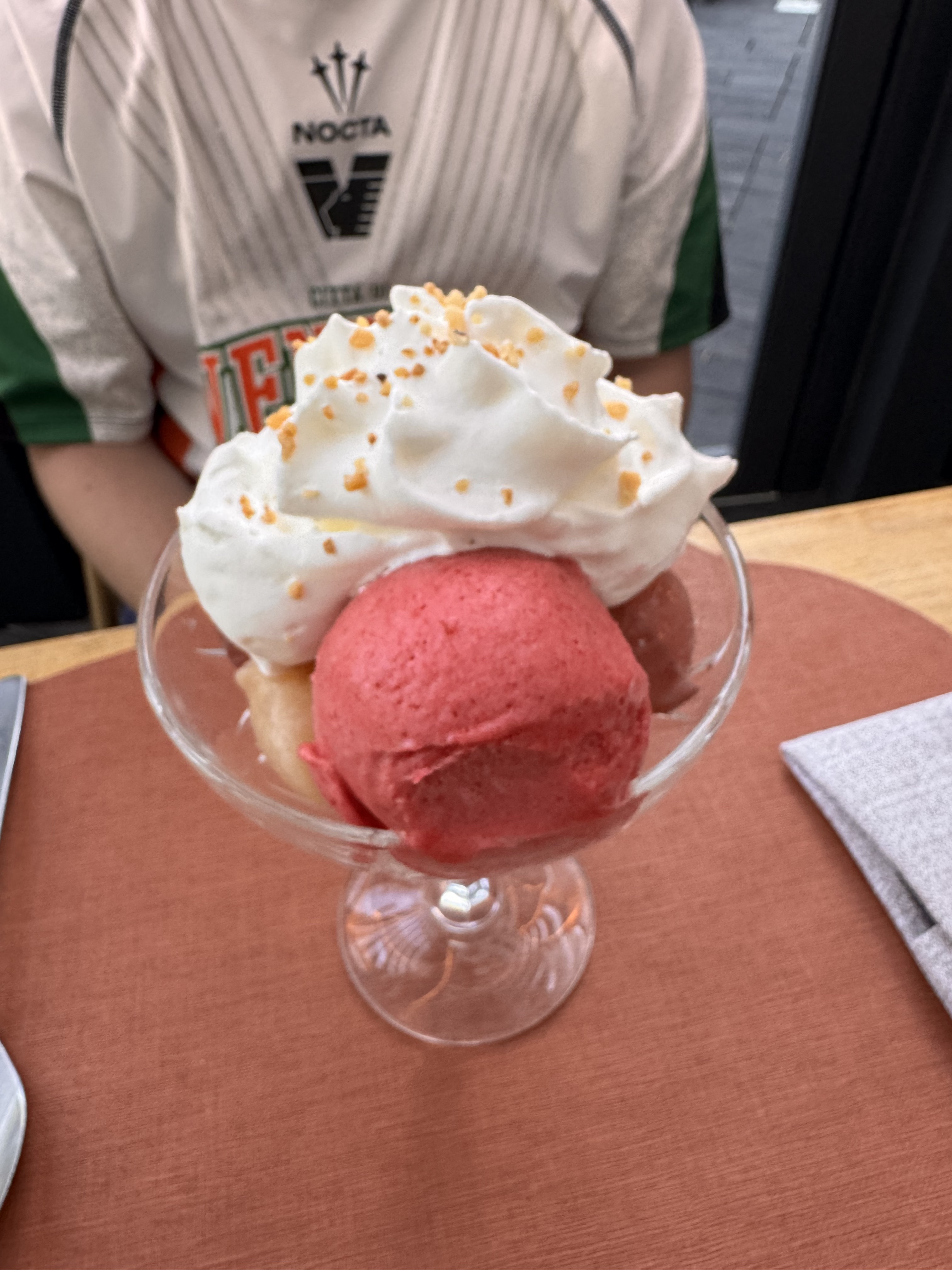
Next morning, we connected the car to power while we had breakfast. Despite the mediocre food, we were still sufficiently full to skip substantial breakfast. The coffee was adequate – though having just spent a week in Italy, everything else feels like a compromise. More napkin-smuggling of pastries for road snacks.
Stats: 1 hour driving | 50m / 80km | 36.3430 kWh delivered | €10.53 | 44 minutes charging
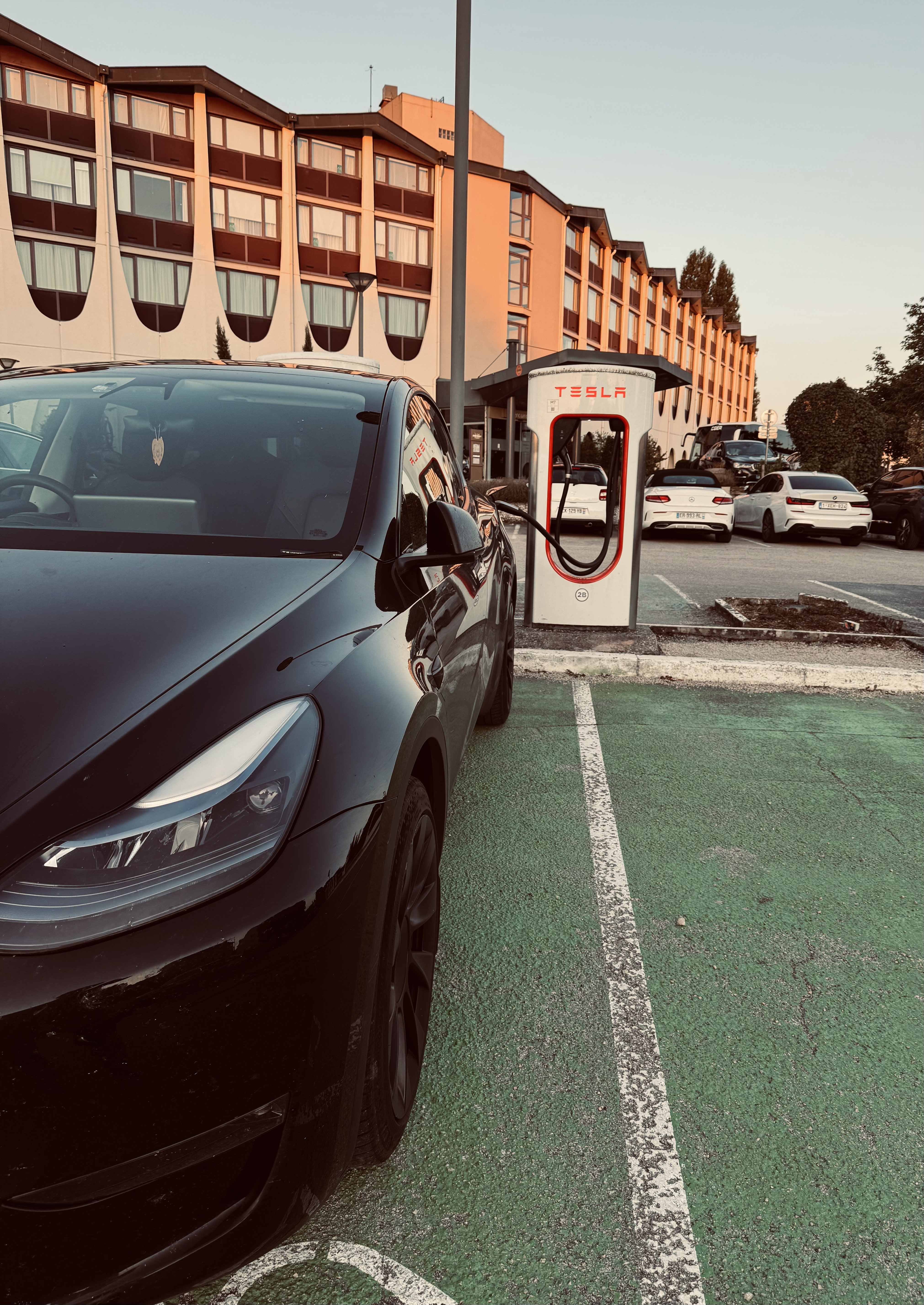
We’d examined various routes to avoid Paris again, but they all added time. With a fixed ferry appointment in Cherbourg, we again placed faith in Tesla’s algorithmic wisdom.
Charge #15 – Villabé: McDonald’s Strikes Back
Stats: 2.5 hours driving | 175m / 280km | 50.6910 kWh delivered | €15.71 | 28 minutes charging
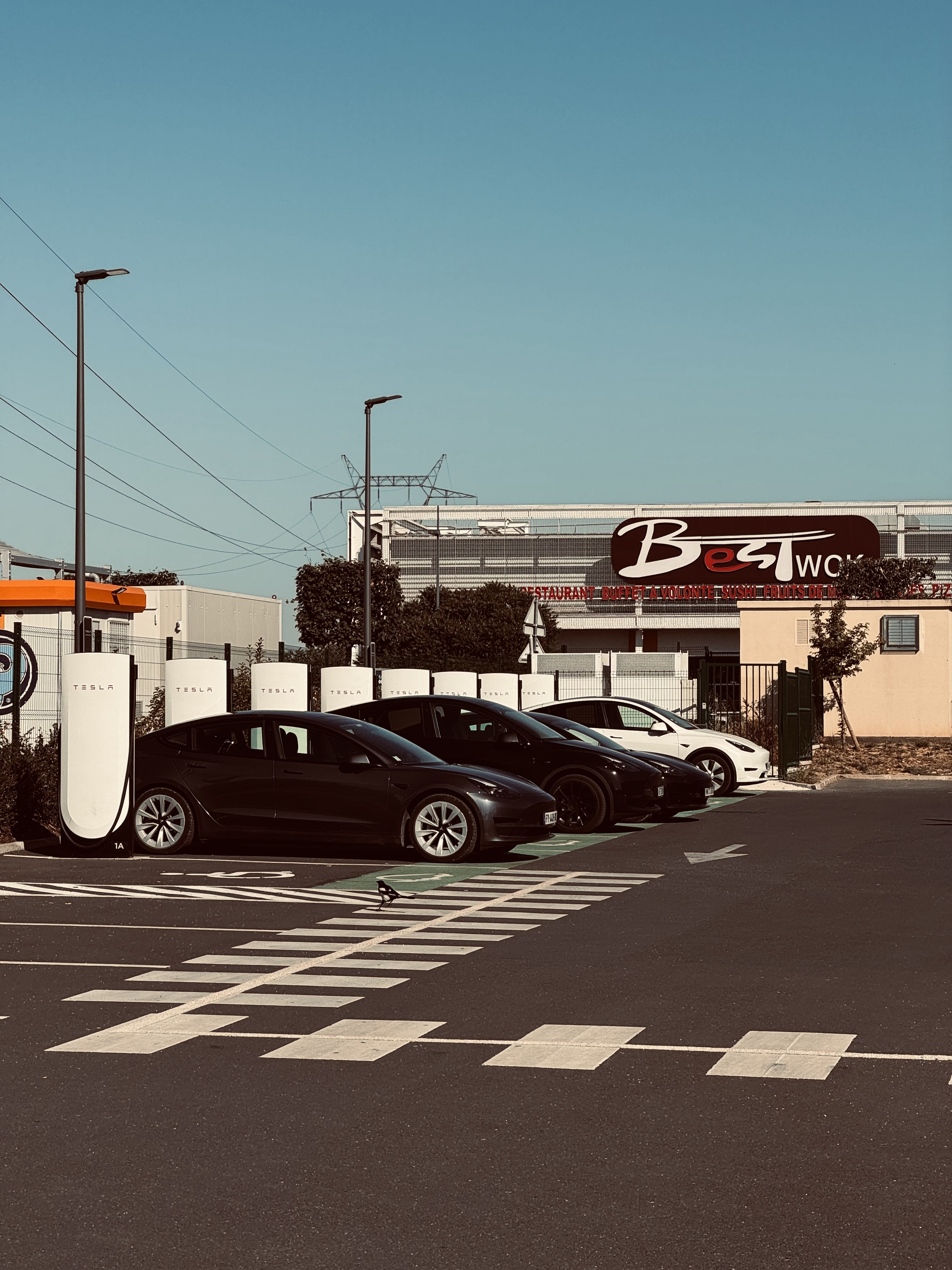
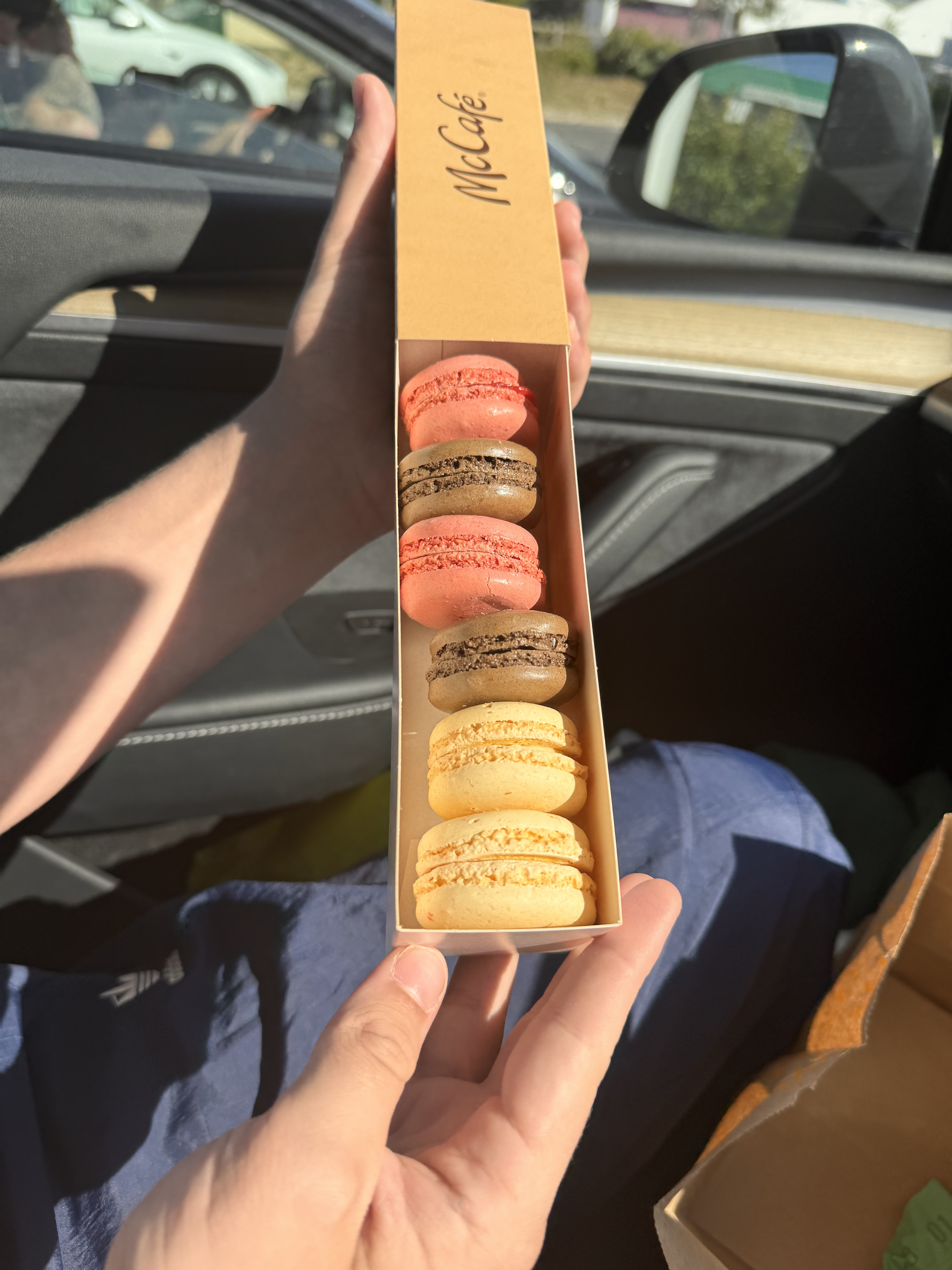
Not particularly blessed with amenities, though surprisingly busy car wash facilities. We broke another rule and returned to McDonald’s. The teenage hunger was becoming pronounced again. Another inexplicably slow service experience – seriously, what is it with French McDonald’s timing? They don’t offer breakfast muffins like UK locations – everything’s beef-based rather than sausage. They did have macarons, which were apparently excellent. I had coffee. It was decidedly not excellent.
Onward.
The Versailles Tunnel: A Psychological Challenge
Traffic around Paris was manageable, but we had to navigate that horrible narrow tunnel through/around/under Versailles. Again. I genuinely despise it. You don’t appreciate the oppressively low ceiling in time-lapse video, but the reality is genuinely claustrophobic. I was profoundly relieved to see daylight again.
Charge #16 – Saint-Contest: The Final Push
Stats: 2.5 hours driving | 165m / 270km | 39.3690 kWh delivered | €12.59 | 18 minutes charging
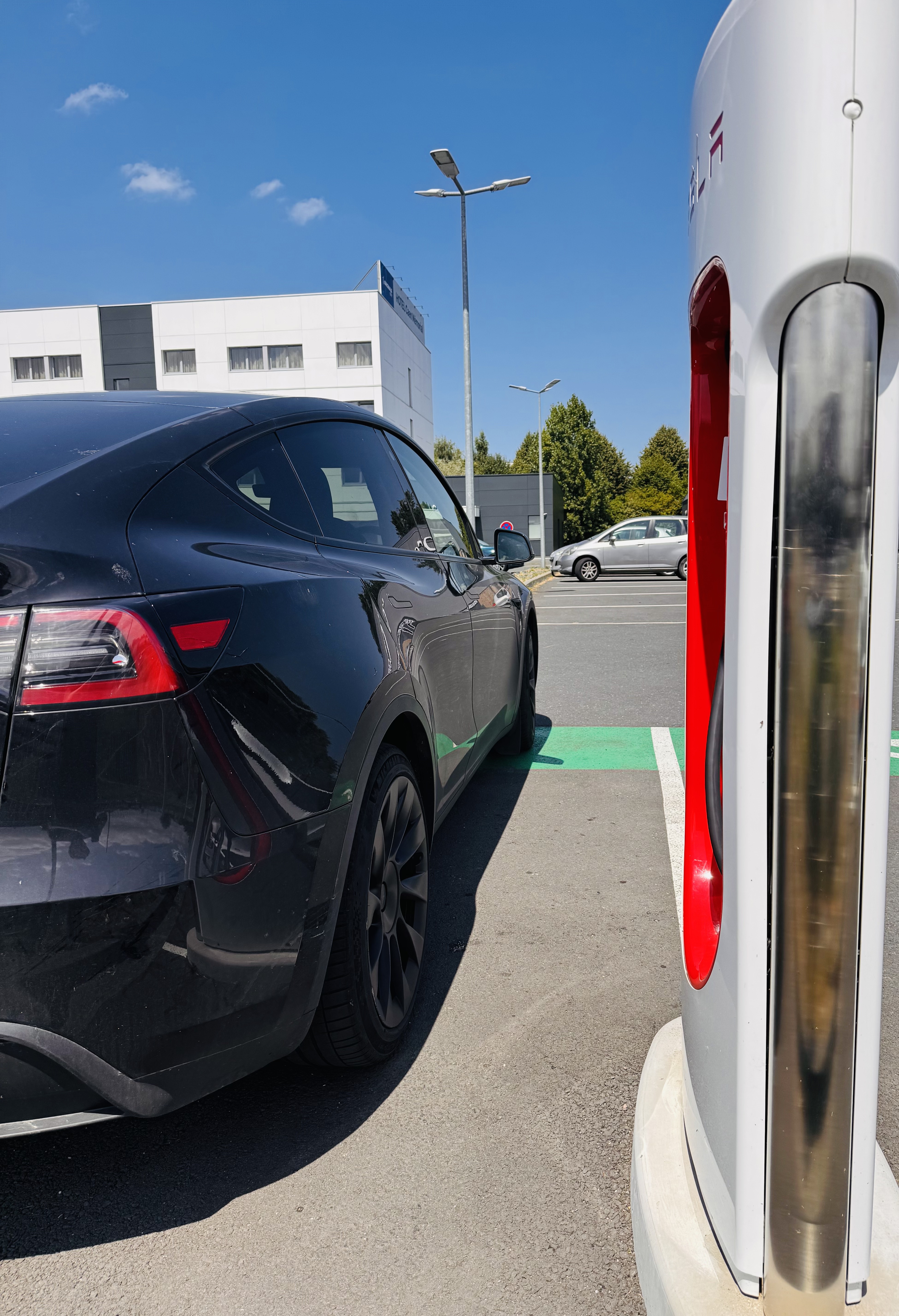
Our final stop before Cherbourg and home. This was the least we’d charged for the entire journey (I think, felt the shortest anyway). Just enough to reach home comfortably. Throughout the trip, we’d maintained a policy of overcharging to create extra margin. I never want to experience single-digit percentage anxiety again.
Pleasant stop, sitting in an actual picnic area. Unfortunately, sandwich offerings were disappointing. Perhaps we’d been spoiled by proper Italian service stations?
To Cherbourg and Home
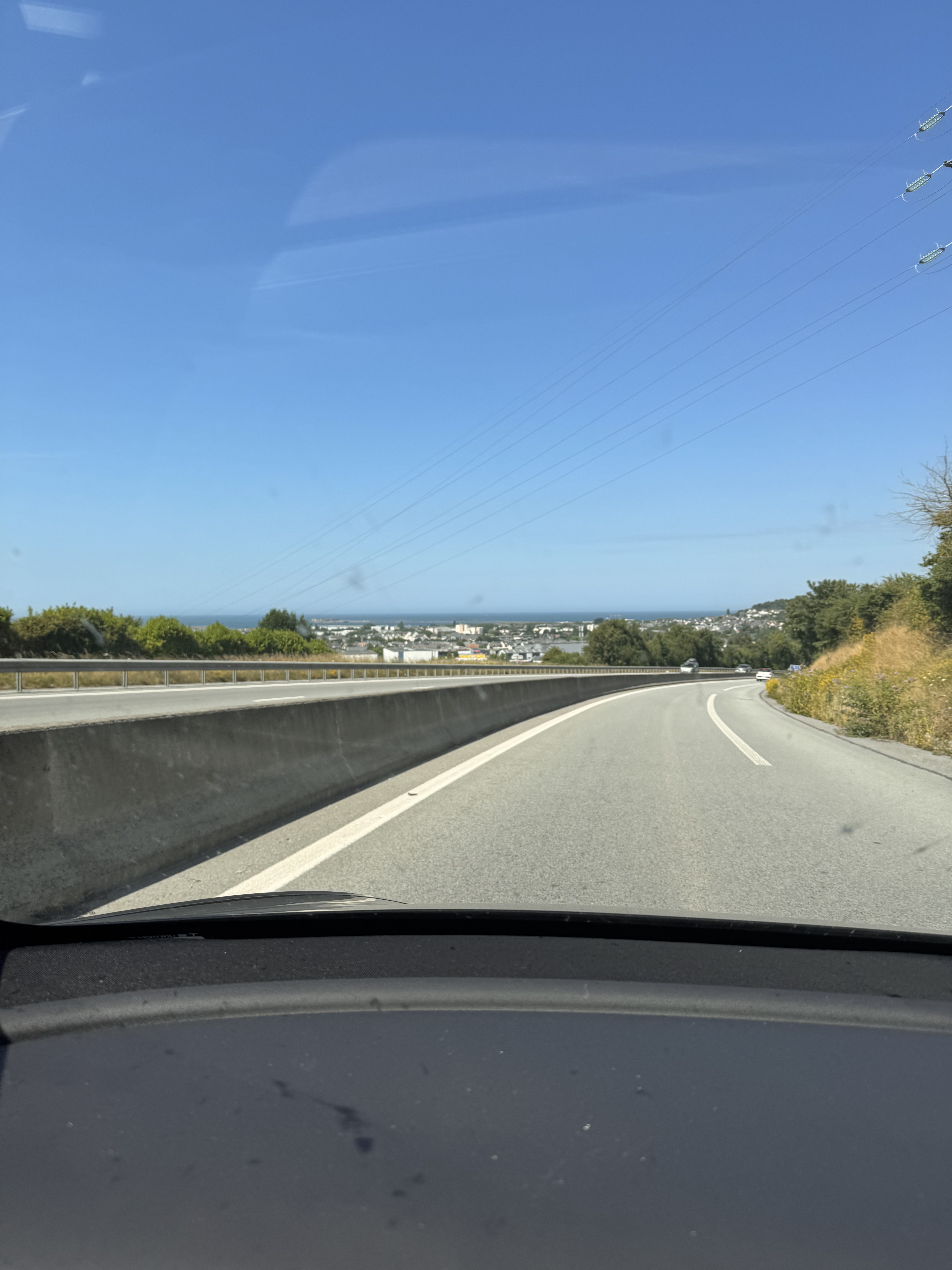
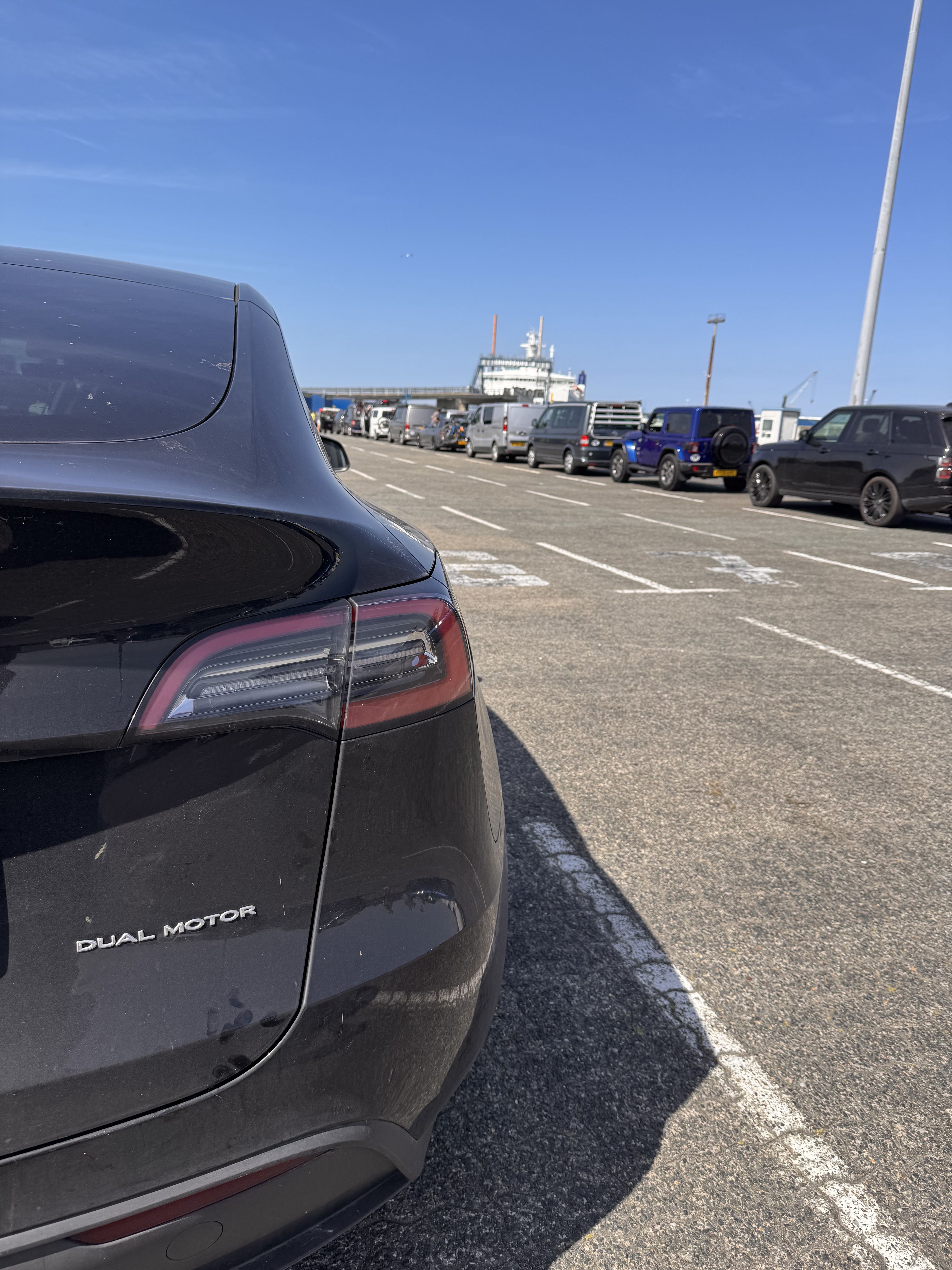
Another seemingly endless couple of hours heading toward the Channel, but seeing water means the end is genuinely in sight. Port entry was straightforward. We’d chosen Poole-Cherbourg specifically because they’re smaller and less chaotic than major ferry terminals.
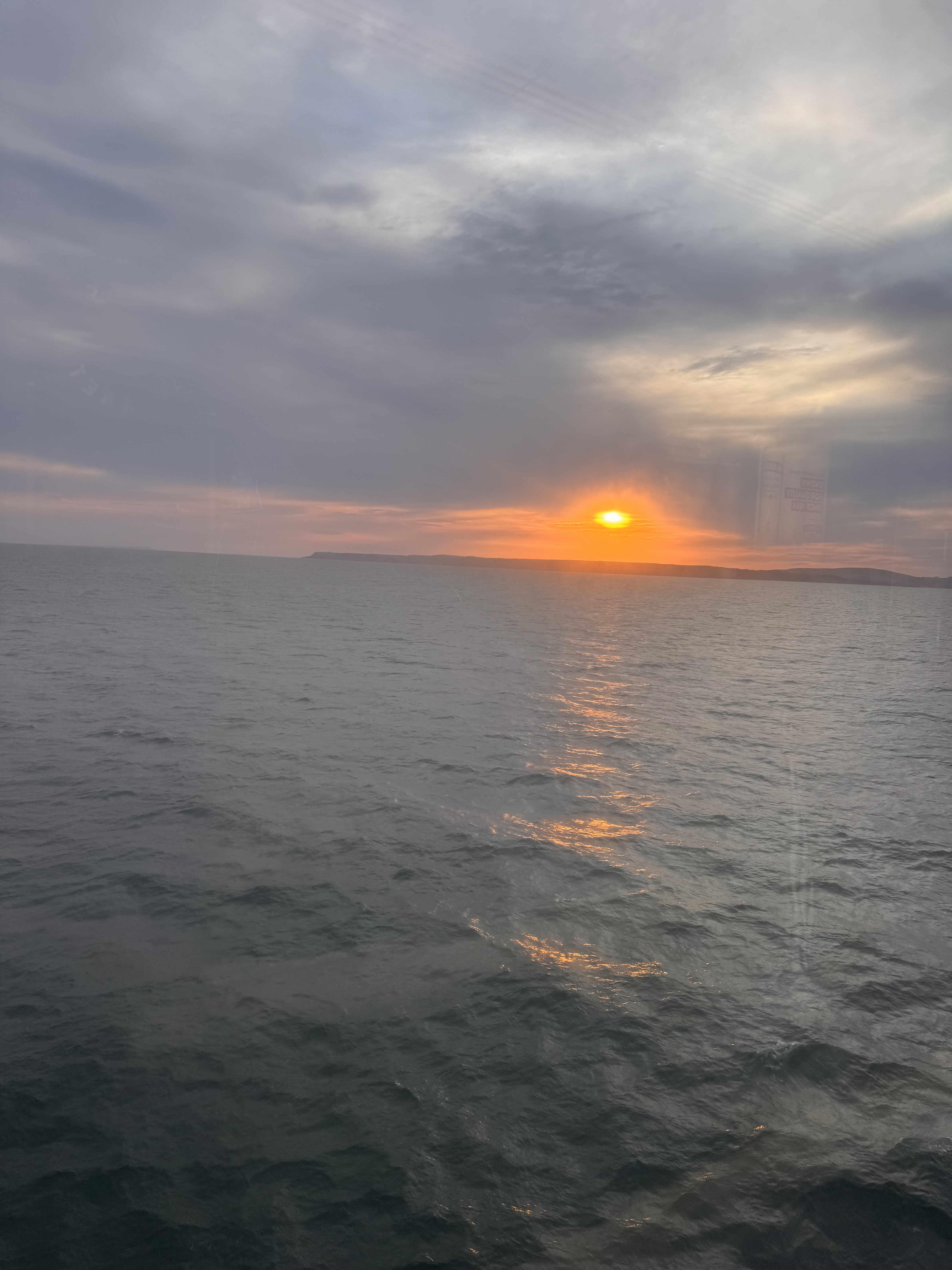
Brief wait, then aboard – remembering to extract anything needed from the boot to avoid the height restrictions that had caused outbound stress. The journey was smooth again. I even managed to sleep. We’d booked reserved seats, but they were buried in the ship’s bowels with no view and awkward middle-of-three-column positioning. We decided to remain in the café area instead. Son spent the remaining Euro coins in the arcade. I bought a newspaper.
Then we were home.
Reflections on Electric European Adventures
Charging Network Reality Check
This would be most people’s primary concern. And honestly, you shouldn’t worry. I say this with the caveat of driving a Tesla and using exclusively Tesla Superchargers throughout this journey, but we observed substantial infrastructure in France, Switzerland, and Italy. IONITY network was highly visible, and main motorway service stations appeared comprehensively equipped. Can’t comment on app requirements or set-up complexity, but casual observation suggests most are plug-and-pay credit card operations. I genuinely hope this is accurate.
The Tesla network performed flawlessly. Apart from occasional charger hide-and-seek scenarios, locations were easy to find, reasonably close to intended routes, and usually featured proper facilities. Always had available chargers, everything functioned correctly, and most were genuinely fast. This combined with the surprise and delight software drops is what makes you think twice about leaving the Tesla ecosystem. It just works. A bit like Apple. Once you’ve committed, it’s hard to move to Android.
“But Charging Takes Forever!” (It Really Doesn’t)
The 2.5-3 hour average driving segments are perfectly reasonable, and you need breaks after this duration anyway. EVs force you to stop, which improves driving alertness significantly. Our friends did a 6-hour straight drive from the French-German border to Italy and arrived completely exhausted. Despite long daily distances, the mandatory breaks actually helped. I felt less fatigued than when we’d done similar journeys in conventional cars.
The stops become genuinely anticipated events. Unexpected shopping discoveries, usually excellent food (though I’m looking at you specifically here, French service stations), then back on the road refreshed.
We probably added 1.5-2 hours versus a conventional car, but the enforced break quality is demonstrably better for human performance.
Day One Ambition vs. Reality
Paris traffic didn’t help, but Day One became genuinely gruelling toward the end. Dijon (and Beaune on return) represent about 8 hours’ driving – entirely manageable. But ferry departure consumes significant portions of the day already.
For the same ferry route again, I’d plot around Paris and probably extend Day Two or stop twice. We did the latter on previous road trips, mainly because we had five people crammed in along with all their luggage. We’d also consider the overnight Portsmouth ferry to arrive fresh and start further up the coast, heading toward German/Swiss borders. We’ve also done Le Shuttle from Calais which is a great experience, especially the Premium lounge before departure if you’ve booked the flexi ticket. But it’s about 3 hours extra driving in the UK for us. And around the M25 which is just as unpredictable as Paris. We wanted to drive less here this time.
Hotel Philosophy
After full driving days, the last thing you need is accommodation that’s difficult to locate or disappointing upon arrival. Despite not wanting excessive expense, I strongly recommend mid-range branded hotels. You know exactly what you’re getting, and your stress levels remain manageable. Or get personal recommendations from people whose judgment you trust.
Swiss Vignette: Non-Negotiable
You absolutely need a vignette for Swiss driving. About €40, purchased online. I miss the physical sticker, but everything’s now connected to your number plate. Buy it before departure, or if forgotten, you can still purchase it online while there or at motorway services. Valid for the full year. Don’t attempt to avoid it – fines are inevitable and expensive.
We didn’t transit Austria this time, but they also require vignettes – also available online. Germany currently doesn’t have this system.
We avoided city emission stickers by not entering urban centers, though do check requirements before departure. We saw signs in Reims and Metz on previous journeys but didn’t have stickers and avoided trouble. This time, figured zero-emission EVs would be acceptable anyway.
Tolls: The Joy of Automation
Get a Bip&Go or equivalent. The sheer pleasure of approaching barriers, hearing the gentle beep, watching them rise without judging car width, praying to the alloy wheel gods, or fumbling for tickets and cards – though most are contactless now. Even better are the 30kph lanes where you cruise up and go without stopping.
It made the journey significantly smoother and genuinely enjoyable. Worked perfectly in France and Italy, with itemised billing for accountability.
Final thought
Turns out electric road trips are a bit like advertising campaigns – mostly planning, occasional panic, generally work out fine, everyone has opinions about how you could have done it better.
If you missed Part One, the outbound journey, find that here.
And if you’re interested in buying a Tesla, Get 650 free Supercharging miles or £500 off with my referral link.


One thought on “Tesla Road Trip Part 2: The Return”